Inside FastRead: The Free Bionic Reading App That Hit 500K Users While Premium Competitors Raised Prices in 2026

Daniel Cho
Reading Tech Analyst
While premium reading apps raised subscription fees to $12.99-$28.99/month in early 2026, FastRead quietly crossed 500,000 users by doing something radical: staying completely free. No paywalls, no "premium" tiers, no credit card required. Just a bionic reading app that actually works, available on iOS, Android, and web.
The timing couldn't be better. As Google Play Books rolled out AI reading companions and Scribd's Everand bundled ebooks with book clubs at $28.99/month, students and professionals started asking a different question: "Why am I paying $156/year to read faster when free tools exist?"
Let's break down what FastRead actually does, why it's resonating with readers in 2026, and whether a free app can genuinely compete with premium alternatives.
What's in this article
- What makes FastRead different from premium apps
- The 11 tools that built a half-million user base
- Who is using FastRead in 2026
- How FastRead stacks up against premium competitors
- FastRead vs. premium apps at a glance
- Five tips to maximize FastRead
- Why free still works in 2026
- Should you try FastRead?
What Makes FastRead Different: Bionic Reading Without the Premium Tax
FastRead converts any text - ebooks, PDFs, research papers, articles - into bionic reading format. It bolds the first half of each word, creating visual fixation points that guide your eyes through text faster. Your brain fills in the rest automatically, reducing eye jumps (saccades) and boosting reading speed by up to 50%.
Think of it like this: instead of your eyes landing on every letter in "automatically," they hit "automatically" and your brain completes the pattern. Fewer stops, faster processing, better retention.
The science checks out. Recent CHI 2026 research highlighted in the Educational Technology and Change Journal showed that visual reading aids, when done right, improve both performance and comprehension. The catch? Too many AI interpretations can undermine enjoyment. FastRead's approach is simpler: enhance the text itself, don't replace the reading experience.
The 11 Tools That Built a Half-Million User Base
Most speed reading apps do one thing. FastRead built an entire reading productivity suite:
- Bionic Reader: Paste any text, get instant bionic formatting. Works with articles, essays, emails, study notes.
- PDF & Ebook Support: Open PDFs and ePubs directly in the app, read them in bionic format without conversion headaches.
- Speed Test: Measure your baseline reading speed (WPM), then test again after training with bionic text. Students report 200-400 WPM gains in 2-3 weeks.
- Focus Reader: Distraction-free reading mode. No notifications, no sidebars, just you and bionic text.
- Practice Texts: Curated passages to train your eyes on bionic format before tackling textbooks.
- Text Summarizer: AI-powered summaries for long documents. Useful when you need the gist before deep reading.
- Vocabulary Builder: Learn new words in context while reading, perfect for language learners and GRE prep.
- Reading Tracker: Log your progress, watch your WPM climb, build reading streaks. (The 2026 State of Reading found average streaks hit 29 days, up 300% YoY - accountability works.)
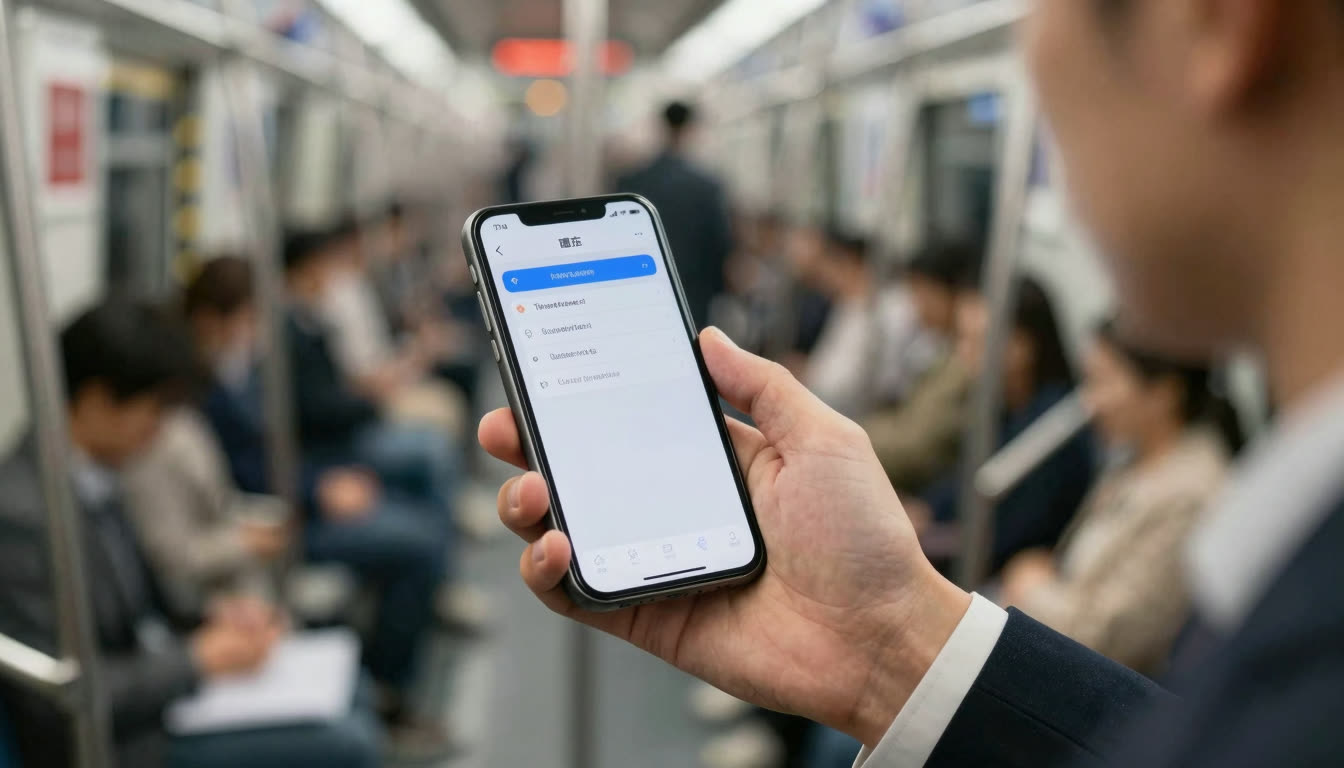
The web app at fastread.app gives you all 11 tools for free. The iOS and Android apps add offline reading, cloud sync, and native PDF handling. Still free.
Who's Using FastRead in 2026 and Why
Students: The Textbook Speed-Run Crowd
Med students, law students, and anyone drowning in 800-page textbooks discovered bionic reading during pandemic remote learning. By 2026, it's standard study tech.
One user on Reddit: "I read 4 chapters of biochem in the time it used to take for 2. Retention is the same, maybe better because I'm not zoning out every paragraph."
The Speed Test becomes a game: beat your last WPM, track improvement over finals week, compare with study groups.
Professionals: The Email-and-Report Warriors
If you process 50+ emails, contracts, or reports daily, bionic reading is a productivity unlock. Copy-paste into the Bionic Reader, skim at 500+ WPM, decide what needs deep focus.
FastRead's Text Summarizer pairs well here - get the AI summary first, then bionic-read the full doc if needed. It's the workflow Google Play Books is now copying with their "Catch me up" AI button, but FastRead had it first.
ADHD and Dyslexic Readers: The Focus Struggle is Real
This is where bionic reading shines. The bolded fixation points reduce the "where was I?" moment that derails focus. Multiple users describe it as "training wheels for my brain."
FastRead is frequently mentioned as the best ADHD reading app in forums and subreddits because it's free, works offline, and doesn't require account setup. You can download it from the App Store or Google Play and start reading in 30 seconds.
Language learners report similar benefits. Bionic text makes foreign words easier to parse when your brain is translating on the fly.
Book Lovers: The "I Have 47 Unread Books" Club
With smartphones now the top reading device (per 2026 State of Reading data) and audiobooks overtaking ebooks, readers are fragmenting their time. FastRead helps book lovers actually finish their Kindle/Apple Books backlog by making mobile reading faster and less exhausting.
The Focus Reader mode mimics e-ink simplicity on any device. No blue light assault, no autoplaying ads.
How FastRead Stacks Up Against Premium Competitors
Let's be honest: FastRead isn't the only bionic reading app. But it's the only free one that doesn't suck.
FastRead vs. Bionic Reading (Official App)
The original Bionic Reading® app offers a limited free tier, then charges $4.99/month or $49.99/year for full features. FastRead gives you unlimited bionic conversions, all tools, and no paywall. If you're a student or casual reader, that $60/year matters.
FastRead vs. Speechify
Speechify does text-to-speech, not bionic reading. Different use case. If you want to listen while commuting, Speechify works. If you want to read faster with your eyes, FastRead is the answer. (And Speechify Premium is $139/year.)
FastRead vs. Spreeder and Spritz (RSVP Readers)
These apps flash one word at a time in the center of your screen (RSVP = Rapid Serial Visual Presentation). You can't skim, can't go back, can't control pacing naturally. It's effective for raw speed but exhausting for long reads. Bionic reading lets you read normally, just faster.
FastRead vs. BeeLine Reader
BeeLine uses color gradients to guide your eyes line-by-line. It's clever but works best for people with specific visual tracking issues. Bionic reading has broader appeal because it mimics natural reading patterns.
FastRead vs. Readwise and Blinkist
Readwise is for highlights and spaced repetition (different problem). Blinkist gives you book summaries, not the full reading experience. Neither helps you read faster - they help you read less. FastRead helps you read more in the same time.
FastRead vs. Premium Apps at a Glance
| App | Cost | Bionic reading | Offline PDF | Speed test | ADHD-friendly |
|---|---|---|---|---|---|
| FastRead | Free | Yes | Yes | Yes | Yes |
| Bionic Reading (official) | $4.99/mo | Yes | Limited | No | Partial |
| Speechify | $139/yr | No (TTS only) | Yes | No | Yes |
| Spreeder | $9.99/mo | No (RSVP) | No | Yes | Partial |
| Blinkist | $15.99/mo | No | No | No | No |
| Readwise | $7.99/mo | No | No | No | No |
Five Tips to Maximize FastRead (From Actual Power Users)
-
Start with the Practice Texts: Don't jump straight to your organic chemistry textbook. Train your eyes on shorter passages first. Most users adapt in 3-5 sessions.
-
Use the Speed Test weekly: Measure your baseline, then retest every Friday. Watching your WPM climb from 250 to 450 is addictive motivation.
-
Combine bionic reading with the Text Summarizer: For research papers, get the AI summary first to build context, then bionic-read the full text. You'll retain more because you know where the argument is heading.
-
Enable the Reading Tracker: Streaks work. The 2026 data showing 29-day average streaks isn't luck - it's gamification done right.
-
Download the mobile app for offline reading: The web app is great, but the iOS and Android apps let you open PDFs and ePubs directly. Perfect for flights, commutes, or anywhere Wi-Fi is sketchy. Grab it from the App Store or Google Play.
Why Free Still Works in 2026 (When Everyone Else Charges)
FastRead's model is simple: give away the core product, build a massive user base, monetize later (or not at all). While Scribd bundles ebooks and book clubs at $28.99/month and even niche e-readers like the BOOX Go 6 (Gen II) launch at $199, FastRead bets that readers want tools, not subscriptions.
The strategy is working. As the Educational Technology and Change Journal noted in June 2026, AI reading tools risk creating "cognitive debt" - readers offload too much interpretation to algorithms and lose the joy of discovery. FastRead's bionic reading enhances your natural reading, it doesn't replace it. You're still doing the work; you're just doing it faster.
That philosophical difference matters. It's why FastRead users evangelize in Reddit threads and student Discord servers. It's why "best free reading app" and "ADHD reader app" searches consistently surface FastRead alongside apps 10x its marketing budget.
For a deeper look at what the research actually says about bionic text, see our eye tracking research guide.
The Bottom Line: Should You Try FastRead?
If you read more than 30 minutes a day - textbooks, ebooks, articles, reports, anything - yes. Absolutely. It's free, it works on every platform, and the worst-case scenario is you waste 5 minutes discovering bionic reading isn't for you.
Best-case? You join the half-million readers who now process information 30-50% faster, finish books they've been putting off for months, and actually enjoy reading again because it feels effortless.
Try it now: Head to fastread.app/tools/bionic-reader and paste in an article you've been meaning to read. Or download the app from the App Store (iOS) or Google Play (Android) and open a PDF. See if bionic reading clicks for you.
And if it does? Tag us when you finish that textbook chapter in half the time. We're collecting victory screenshots.
About the author
Daniel Cho
Reading Tech Analyst
Daniel Cho covers reading technology for FastRead - how bionic reading, RSVP and speed-reading tools actually work, and how they compare. He tests reading apps and browser tools hands-on and writes the deep-dives that cut through the hype.
More from Daniel Cho →Read faster everywhere with the app
Bionic-read any article, PDF or ebook on the go, save your library, and track your speed. Free to download.


 Scan to get the app - opens the App Store on iPhone/iPad, Google Play on Android