2027 Prediction: Digital Reading Will Split Into Two Camps, And Only One Will Survive the Coming Accessibility Mandate

Daniel Cho
Reading Tech Analyst
Digital Reading in 2027: The Great Divide Nobody Saw Coming
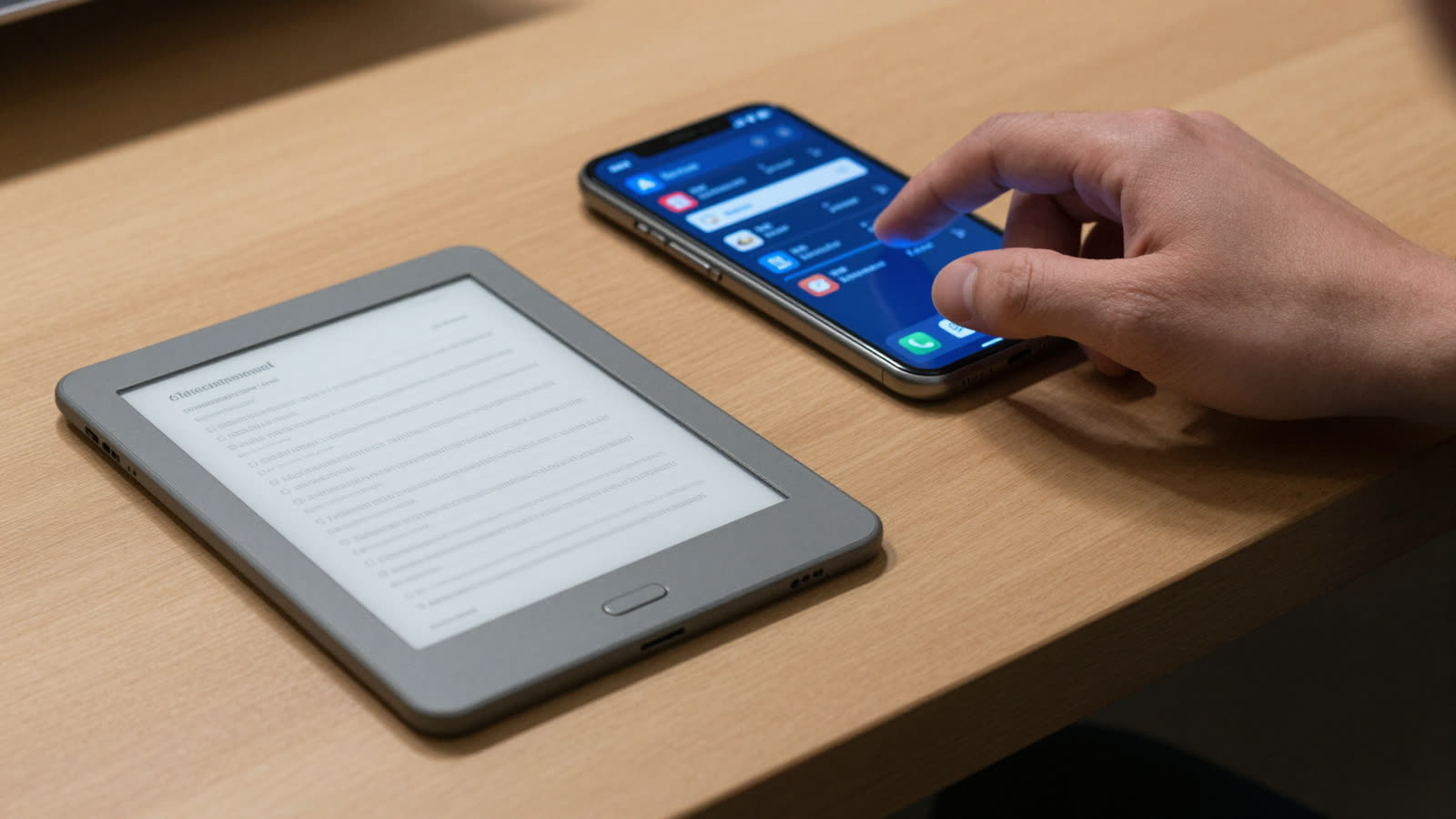
Right now, in May 2026, digital reading is having an identity crisis. TechCrunch just reviewed an $80 magnetic e-ink screen that sticks to your iPhone to combat doomscrolling. Meanwhile, The Conversation published research debunking reading shortcuts like bionic reading for children, citing lack of evidence in systematic reviews. We've got tiny e-readers, accessibility fonts, speed reading apps, AI summarizers, and a growing pile of contradictory research about what actually works.
Here's what nobody's saying out loud: digital reading is about to fracture into two completely different ecosystems in 2027, and a coming wave of accessibility legislation will determine which one survives.
Let me walk you through what's actually going to happen.
What's in this article
- The great divide nobody saw coming
- Prediction #1: distraction-free movement
- Prediction #2: evidence-based reading backlash
- Prediction #3: the EU accessibility mandate
- Prediction #4: comprehension platforms
- Prediction #5: the ADHD reading app category
- Wild card: AI assistants as reading coaches
- Prediction #6: the universal reader
- Prediction #7: free will win
- How to prepare for the 2027 reading revolution
- The bottom line: two camps, one winner
Prediction #1: The "Distraction-Free" Movement Will Explode (And Fail)
The Prediction: By Q3 2027, we'll see at least 15 new products trying to be the "phone detox reading device." Magnetic e-ink attachments, dedicated mini-readers, AI-powered focus modes. The Xteink X3 is just the beginning.
The Evidence: Amanda Silberling's TechCrunch review of the Xteink X3 revealed something crucial: these devices increase reading during "waits" (subway rides, coffee shops), but they require massive habit changes and still depend on your phone's ecosystem. The problem isn't the screen. It's that we've trained ourselves to treat reading as a secondary activity.
Why It'll Fail: Because adding hardware to solve a software problem never works long-term. Remember Kindle phones? Reading-focused tablets? They all died because people don't want another device. They want their existing devices to work better. The history of the dedicated e-reader is a graveyard of single-purpose gadgets that lost out to general-purpose screens.
Timeline: Peak hype by August 2027, mass abandonments by January 2028.
What succeeds instead: Software-based focus modes that actually understand how you read. Apps that convert your doomscrolling feeds into bionic reading format. Tools that make your existing PDF and ebook libraries more readable, not ones that require you to rebuild your entire reading workflow. (Hint: that's exactly what FastRead's Focus Reader does, turn any document into distraction-free bionic text on the device you already own.)
Prediction #2: The "Evidence-Based Reading" Backlash Will Miss the Point Entirely
The Prediction: Throughout 2027, we'll see more articles like The Conversation's May 2026 piece claiming "reading shortcuts don't work." Schools will ban bionic reading apps. Parents will panic. And they'll all be looking at the wrong data.
The Evidence: The Conversation article specifically debunked bionic reading for children learning to read, citing lack of evidence for phonics replacement. But here's what the research didn't address: bionic reading was never designed for phonics acquisition. It's a speed reading tool for fluent readers.
That's like saying "bicycles don't help babies learn to walk." Correct, but irrelevant. The original premise of Bionic Reading was always about guiding the eyes of people who already read fluently, not teaching the alphabet.
Why This Matters: In 2027, we'll see a split between "learning to read" tools (phonics-based, evidence-backed, slow) and "reading to learn" tools (speed-focused, comprehension-optimized, fast). The research community will keep conflating them. Smart readers won't.
Timeline: Peak confusion by March 2027. Clarity emerges by late 2027 when meta-analyses finally separate "reading acquisition" from "reading efficiency" studies.
The Real Insight: If you're a fluent adult reader with 500 pages of research papers to get through, bionic reading isn't trying to teach you phonics, it's trying to reduce your eye saccades and increase your words-per-minute. Different tool, different job. Test your reading speed before and after bionic format and you'll see what the child-focused studies missed.
Prediction #3: The 2027 EU Accessibility Mandate Will Accidentally Kill Half the Reading App Market
The Prediction: Here's the big one. The EU's expanded accessibility regulations (building on the European Accessibility Act) will require all digital reading platforms serving EU customers to offer multiple reading modes by January 2027. Not suggestions. Requirements. With actual penalties.
The Evidence: The EAA already mandates accessibility for ebooks and reading software. The 2027 expansion (currently in draft) specifically mentions "customizable text presentation" and "alternative reading formats" as minimum standards.
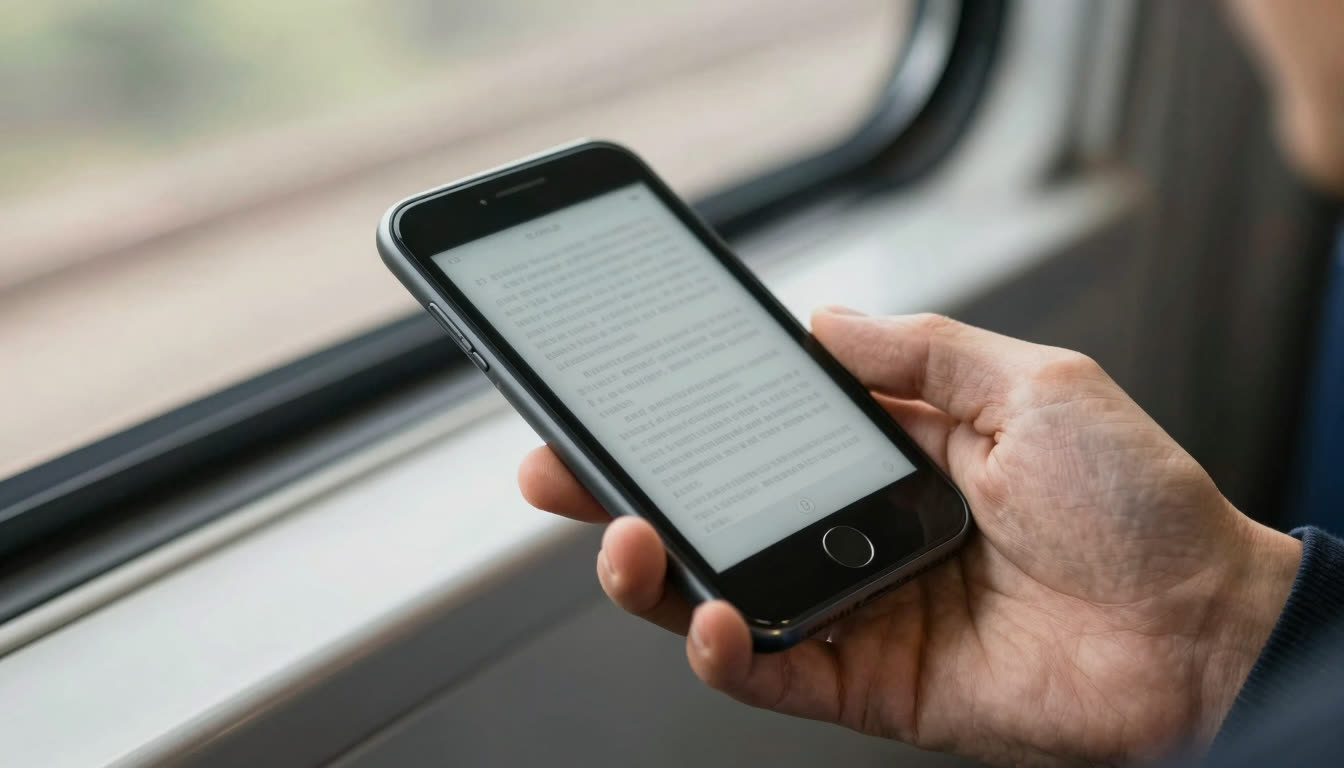
Why This Changes Everything: Suddenly, every PDF reader, ebook platform, and document viewer will need to offer:
- Adjustable font sizes and spacing
- High-contrast modes
- Alternative text formats (like bionic reading)
- Screen reader compatibility
- Dyslexia-friendly options
The apps that already do this? They'll thrive. The ones that don't? They'll either scramble to build accessibility features or lose the entire EU market.
Timeline: Mandate enforcement begins January 2027. Mass app updates flood Q4 2026. Smaller competitors without resources exit the market by mid-2027.
The Winners: Free, feature-rich apps that already treat accessibility as core functionality. Apps like FastRead that offer bionic reading, adjustable speeds, focus modes, and work across formats (PDFs, ePubs, documents) without paywalls. When accessibility becomes mandatory, the apps that made it free and easy from day one will dominate.
Prediction #4: "Reading Apps" Will Become "Comprehension Platforms"
The Prediction: By end of 2027, the best reading apps won't just help you read faster, they'll help you remember what you read. Integrated spaced repetition, AI-generated flashcards, comprehension tracking, and reading analytics will become standard.
The Evidence: We're already seeing this shift. FastRead's Vocabulary Builder and Reading Tracker point toward a future where reading apps measure outcomes, not just speed. Students don't just want to finish their textbook, they want to retain it for the exam.
Why Now: AI makes this trivial to implement. A reading app can now automatically:
- Extract key concepts from what you're reading
- Generate quiz questions
- Track which sections you lingered on (struggling) vs. blazed through (confident)
- Suggest review schedules based on your comprehension patterns
Timeline: First major implementations Q2 2027. Standard feature by Q4 2027.
The Shift: Reading apps stop competing on "how fast can you read" and start competing on "how much can you remember." Speed reading becomes a feature, not the product.
Prediction #5: The ADHD Reading App Category Will Explode (Then Consolidate)
The Prediction: "Best ADHD reading app" will become one of the top 10 most-searched app queries by summer 2027. Dozens of apps will claim ADHD-optimization. By 2028, only 3-4 will actually deliver.
The Evidence: ADHD diagnoses among adults have surged 30% since 2020. Bionic reading, focus modes, and distraction-free readers all resonate strongly with ADHD readers who struggle with traditional text. The market is massive and underserved.
What ADHD Readers Actually Need:
- Variable reading speeds (not one-size-fits-all)
- Distraction-free modes without being punishing
- Visual fixation points (like bionic reading's bolded text)
- Progress tracking that feels rewarding, not shameful
- Flexibility to switch between formats (PDFs, ebooks, articles) without app-switching
Timeline: Market flood begins Q1 2027. Quality consolidation by Q3 2027.
The Reality: Most "ADHD reading apps" will just be regular reading apps with a marketing pivot. The ones that actually work will be designed with ADHD readers from the start, like FastRead's combination of Bionic Reader, Focus Reader, and speed customization. Free, flexible, and actually built for neurodivergent reading patterns.
Wild Card Prediction: AI Assistants Will Become Reading Coaches
The Unexpected One: By late 2027, people will ask AI assistants "what should I read next" more than they ask friends. But here's the twist: AIs won't just recommend books. They'll recommend how to read them.
"You have 45 minutes and a dense research paper. I recommend bionic reading at 350 WPM, skimming the methodology section, and using spaced repetition for the results. Here's the paper loaded in focus mode."
AI reading coaches will integrate with reading apps, analyze your comprehension patterns, and optimize your reading strategy in real-time. The apps that expose APIs for AI integration will win. The walled gardens will lose.
Timeline: First implementations Q4 2027. Mainstream by mid-2028.
Prediction #6: The "Universal Reader" Will Finally Emerge
The Prediction: By end of 2027, one app category will dominate: the universal reader that handles PDFs, ePubs, web articles, emails, and documents in one interface with consistent bionic formatting and reading tools.
Why Now: People are exhausted by app switching. Reading a research paper in one app, an ebook in another, a PDF in a third, and web articles in a fourth is cognitive overhead nobody wants.
The Evidence: Cross-platform, multi-format readers are already gaining traction. The winners will be the ones that:
- Work seamlessly across iOS, Android, and web
- Handle every text format without conversion hassles
- Offer consistent reading enhancement (like bionic reading) across all formats
- Don't lock features behind expensive subscriptions
Timeline: Market leader emerges Q3 2027.
The Frontrunner: FastRead already does this, bionic reading for PDFs, ePubs, articles, and documents, available free on iOS, Android, and web. When the universal reader category explodes, the apps that were already universal will dominate.
Prediction #7: "Free" Will Win (And Subscriptions Will Finally Die in Reading Apps)
The Prediction: By 2027, the subscription model for reading apps will collapse. The winners will be completely free apps with optional premium features, not paywalled core functionality.
The Evidence: Users are subscription-fatigued. Paying $10/month for a reading app when you already pay for Spotify, Netflix, cloud storage, and productivity tools is a non-starter for most people. The apps that make core reading features free will capture market share from premium competitors.
The Accessibility Angle: When EU regulations mandate accessibility features, charging for them becomes ethically (and legally) questionable. Bionic reading for dyslexia? High-contrast modes for visual impairment? These can't be premium features anymore.
Timeline: Subscription exodus begins Q1 2027. Free-first models dominate by Q4 2027.
The Model That Wins: Apps like FastRead that offer 11 professional reading tools completely free, with sustainability through optional donations or non-intrusive premium features, not paywalled core functionality.
How to Prepare for the 2027 Reading Revolution
Here's what you should do right now:
-
Test bionic reading before the hype cycle: Try FastRead's Bionic Reader with a document you actually need to read. Measure your baseline reading speed, then test again with bionic format. Know what works for you before the market gets noisy.
-
Choose tools that work across formats: Don't lock yourself into single-format readers. Pick apps that handle PDFs, ePubs, and web articles so you're not app-switching constantly.
-
Prioritize free, accessible tools: When accessibility becomes mandatory, the apps that made it free from the start will have the best features. Don't pay for what will be standard by 2027.
-
Track your reading comprehension, not just speed: Start using tools that measure retention and understanding, not just words per minute. The apps with reading trackers and comprehension analytics will be the ones that matter.
-
Ignore the hardware gimmicks: Magnetic e-ink attachments and dedicated reading devices are distractions. Optimize your existing devices first.
The Bottom Line: Two Camps, One Winner
By 2027, digital reading will split into two camps:
Camp 1: Expensive, hardware-dependent, subscription-based reading solutions that promise distraction-free nirvana but require you to rebuild your entire workflow.
Camp 2: Free, software-based, accessible reading tools that enhance your existing devices and work across every format you already use.
Here is how the two camps stack up on the factors that will decide who survives the accessibility mandate:
| Factor | Camp 1: Hardware-First | Camp 2: Software-First |
|---|---|---|
| Cost model | Subscriptions and dedicated devices | Free, optional premium |
| Setup | New device, rebuilt workflow | Works on devices you own |
| Format coverage | Often single-format | PDFs, ePubs, articles, docs |
| Accessibility readiness | Bolted on later | Built in from day one |
| EU mandate outcome | Scramble or exit | Already compliant |
The EU accessibility mandate will force Camp 1 to either become Camp 2 or die trying. The apps that were already free, accessible, and cross-platform will inherit the earth.
Want to be ready? Download FastRead on iOS or Android, or try the web-based bionic reader right now. It's free, it works on everything, and it's already built for the 2027 reading landscape.
Because the future of reading isn't about new devices. It's about making the text you're already reading actually readable.
About the author
Daniel Cho
Reading Tech Analyst
Daniel Cho covers reading technology for FastRead - how bionic reading, RSVP and speed-reading tools actually work, and how they compare. He tests reading apps and browser tools hands-on and writes the deep-dives that cut through the hype.
More from Daniel Cho →Read faster everywhere with the app
Bionic-read any article, PDF or ebook on the go, save your library, and track your speed. Free to download.


 Scan to get the app - opens the App Store on iPhone/iPad, Google Play on Android