12 Science-Backed Ways to Read Faster and Remember More: What Neuroscience, Eye-Tracking Studies, and the New Firefox AI Summarizer Tell Us About Reading in 2026

Sophie Bennett
Reading Science Writer
The Reading Revolution is Happening Right Now, And Science Just Proved It
This week brought a trifecta of reading breakthroughs: Firefox rolled out AI-powered page summaries to Android users, Kobo announced native StoryGraph integration for obsessive book trackers, and a new neuroscience review confirmed what speed readers have known for years, your brain can process text way faster than you think. If you've been wondering how to read faster and actually remember what you read, the science is finally catching up to the tools.
Whether you're a student drowning in textbooks, a professional buried in reports, or just someone who wants to finish their reading list before 2027, these developments matter. Let's break down what happened, what the research says, and how you can actually apply this stuff today.
What's in this article
- Firefox's "Shake to Summarize" lands on Android
- Kobo x StoryGraph integration
- Digital reading can match paper
- 12 science-backed techniques
- The reading stack for 2026
- The bottom line
Firefox's "Shake to Summarize" Lands on Android, AI Meets Reading Productivity
Mozilla just expanded its TIME-award-winning "Shake to Summarize" feature to Firefox for Android (announced May 19, 2026). Previously iPhone-only, this feature lets you literally shake your phone on any article under 5,000 words to get a clean AI summary, or tap "Summarize Page" if you prefer not to look like you're having a seizure in public.
Here's the clever part: On iPhone 15 Pro and newer with iOS 26+, summaries generate on-device via Apple Intelligence. Everyone else gets secure cloud processing through Mozilla's Mistral-Small model. It's a hybrid approach that balances privacy with accessibility.
Why this matters for readers: We're drowning in content. The average professional reads about 200 emails per day, students face 300+ page textbook chapters, and researchers need to scan dozens of papers weekly. AI summarization isn't cheating, it's triage. You summarize to decide what deserves your full attention, then you read deeply where it counts.
That said, summaries work best for factual content (news, reports, documentation). For nuanced arguments, literature, or anything requiring critical thinking, you still need to read the actual text. This is where bionic reading shines: it helps you move through that full text faster without losing comprehension.
Pro tip: Combine approaches. Use Firefox's summarizer to filter articles worth reading, then paste keepers into FastRead's Bionic Reader for focused, faster reading. Or use our Text Summarizer for documents Firefox can't handle.

Kobo x StoryGraph Integration, The Data-Obsessed Reader's Dream
Rakuten Kobo announced (May 19, 2026) that starting June 2026, Kobo e-readers and apps will natively sync reading progress with StoryGraph, automatically tracking your "Currently Reading" status, percentage read, and finished books for both ebooks and audiobooks. Kobo becomes the first e-reader with built-in StoryGraph syncing.
For the uninitiated: StoryGraph is like Goodreads but with actual useful analytics. It tracks reading pace, mood, genre distribution, and gives you personalized recommendations based on how you read, not just what you rate.
Why this matters beyond book nerds: Tracking reading habits isn't vanity metrics, it's behavioral feedback. When you see you're reading 23% slower on Tuesdays or that dense academic texts tank your pace after page 40, you can adjust. Maybe Tuesday mornings need easier material. Maybe dense texts need bionic formatting to maintain speed.
FastRead's Reading Tracker takes a similar approach, measuring your words-per-minute (WPM) improvement over time. The difference? We focus on reading speed and comprehension training, not just logging books. Try our Speed Test to get your baseline WPM. Most people read 200-250 WPM normally, but can hit 300-400+ with bionic reading after practice.
New Research Confirms: Digital Reading Can Match Paper, If You Design It Right
A May 12, 2026 review in Modern Sciences surveyed recent reading research and landed on a nuanced conclusion: Well-designed digital reading (clean layout, no distractions, proper typography) performs nearly identically to paper for comprehension. But real-world digital reading, with ads, pop-ups, unrelated images, and infinite scroll, pushes readers toward skimming and tanks understanding. This matches what usability researchers have documented for years about how people read online, which is mostly scanning rather than reading word for word.
The culprits? Cognitive load and visual distraction. Your brain has limited processing bandwidth. Every ad, sidebar, and notification steals resources from actual comprehension. Kids are especially vulnerable since they're still developing reading coordination and executive function.
The bionic reading connection: Bionic reading format creates artificial fixation points by bolding the first part of each word. Your brain completes the rest automatically, reducing eye jumps (saccades) and decreasing cognitive load. Studies suggest this can increase reading speed by up to 50% while maintaining or improving comprehension, especially for people with ADHD, dyslexia, or focus challenges.
FastRead applies bionic formatting to any text, ebooks, PDFs, articles, documents, giving you the speed benefits of digital reading without the distraction penalty. It's particularly powerful for students reading textbooks or professionals processing dense reports where every percentage point of comprehension matters. If you want the background on why measured speed gains are debated, the overview on speed reading is a useful primer.
12 Science-Backed Techniques to Read Faster and Remember More
Based on the latest neuroscience, eye-tracking studies, and cognitive research, here are the techniques that actually work. Here is a quick reference for matching a technique to what you are reading:
| Technique | Best for | Typical speed effect |
|---|---|---|
| Bionic reading | Textbooks, reports, non-fiction | Up to 30-50% faster |
| Reducing subvocalization | General reading | Lifts ceiling from ~250 to 400-600 WPM |
| Expanding visual span | Dense linear text | 3-5 words per fixation vs 1-2 |
| Previewing before reading | Long chapters, papers | Better retention, less re-reading |
| Distraction-free mode | Screens with ads or clutter | Protects comprehension |
| Strategic breaks | Sessions over 45-60 min | Sustains focus and recall |
1. Use Bionic Reading for Dense Material
Bolding the first part of each word creates visual fixation points that guide your eyes faster through text. Research shows this reduces saccades (eye jumps) and can boost speed 30-50%. Best for: textbooks, research papers, reports, non-fiction.
2. Eliminate Subvocalization (Gradually)
Most people "hear" words in their head while reading, capping speed at speaking pace (~250 WPM). You can't eliminate this entirely without hurting comprehension, but reducing it lets you hit 400-600 WPM. Bionic reading helps by forcing visual pattern recognition over phonetic processing.
3. Expand Your Visual Span
Trained speed readers take in 3-5 words per fixation instead of 1-2. Practice by focusing on the center of a line and using peripheral vision to capture surrounding words. This is why bionic formatting works: the bold fixation points let your periphery fill in the rest.
4. Read in Chunks, Not Words
Your brain processes phrases faster than individual words. Group text into meaningful units: "the quick brown fox" becomes one visual chunk, not four separate words. Bionic reading facilitates this by creating rhythm through the text.
5. Preview Before Deep Reading
Scan headings, subheadings, first sentences, and conclusions before reading linearly. This builds a mental scaffold that improves comprehension and retention. Use AI summarizers for initial triage, then bionic reading for the deep dive.
6. Use Distraction-Free Environments
The Modern Sciences review confirmed it: Every visual distraction on screen reduces comprehension. Use FastRead's Focus Reader for distraction-free bionic reading: no ads, no sidebars, just text.
7. Track Your WPM Progress
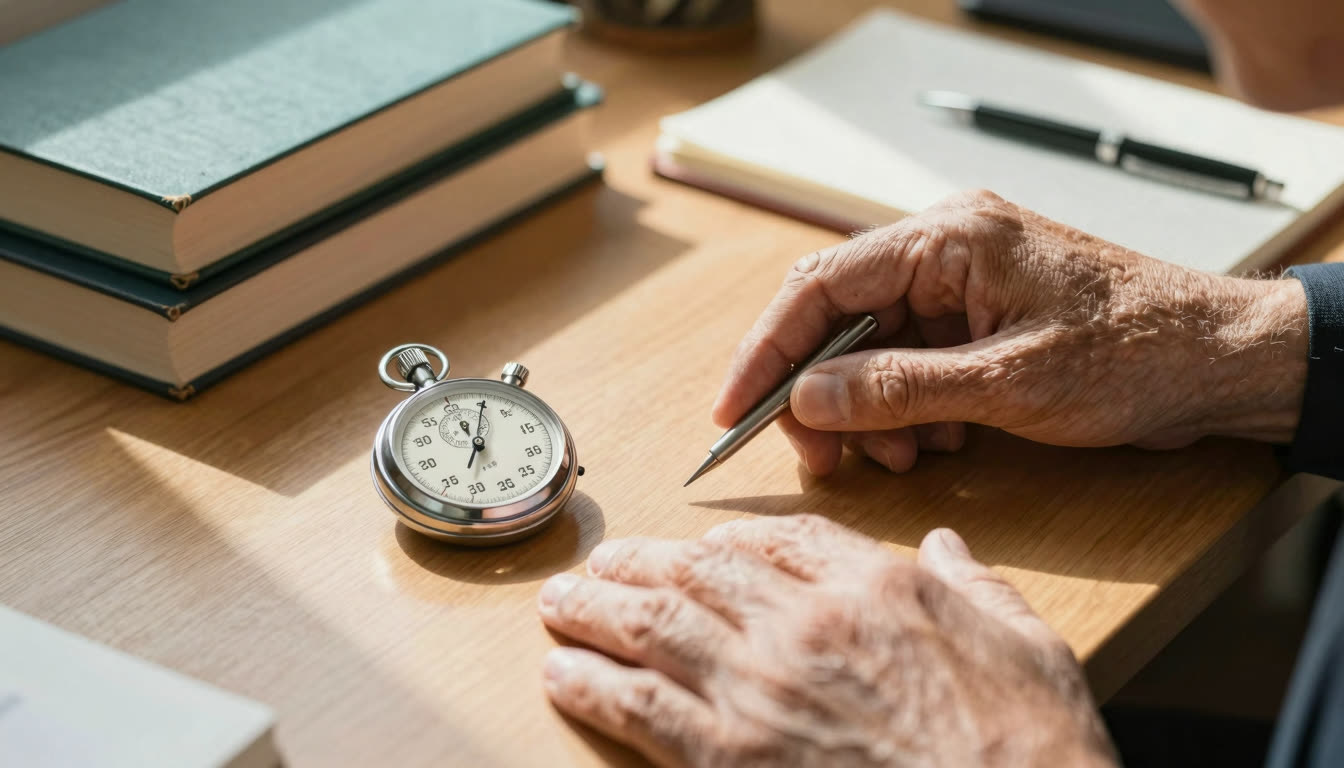
What gets measured gets improved. Test your baseline reading speed, practice with bionic text, retest weekly. Most people see 20-30% improvement within two weeks. Our Speed Test makes this dead simple.
8. Practice with Progressively Harder Texts
Start with articles, move to non-fiction books, then tackle academic papers. FastRead's Practice Texts offers curated content at different difficulty levels to build your speed reading muscles.
9. Take Strategic Breaks
Cognitive performance drops after 45-60 minutes of focused reading. Use the Pomodoro technique: 25 minutes reading, 5 minutes break. Your brain consolidates information during breaks, improving retention.
10. Build Vocabulary Actively
Every unknown word slows you down. Use FastRead's Vocabulary Builder to learn new words in context while reading. Better vocabulary = faster automatic word recognition = higher reading speed.
11. Adjust Typography for Your Eyes
Font size, line spacing, and contrast matter. Too small = eye strain = slower reading. Too large = excessive eye movement = slower reading. Digital reading lets you customize; use it.
12. Match Reading Strategy to Material
Skim news and emails. Use bionic reading for textbooks and reports. Read literature normally to savor language. Use AI summaries for triage. Different content deserves different approaches.
What This Means for You: The Reading Stack for 2026
Here's how to combine these tools and techniques into an actual workflow:
For Students:
- Use Firefox's summarizer or FastRead's Text Summarizer to preview chapters
- Convert textbooks and papers to bionic format with FastRead's Bionic Reader
- Track your reading speed improvement with our Speed Test
- Practice speed reading with curated texts during study breaks
For Professionals:
- Summarize long emails and reports for quick triage
- Use bionic reading for contracts, proposals, and documentation
- Read in Focus Reader mode to avoid workplace distractions
- Track time saved with the Reading Tracker
For Book Lovers:
- Sync your reading data with StoryGraph (if you use Kobo) to understand your habits
- Use bionic reading for non-fiction to get through your list faster
- Save literature and poetry for normal reading to enjoy the language
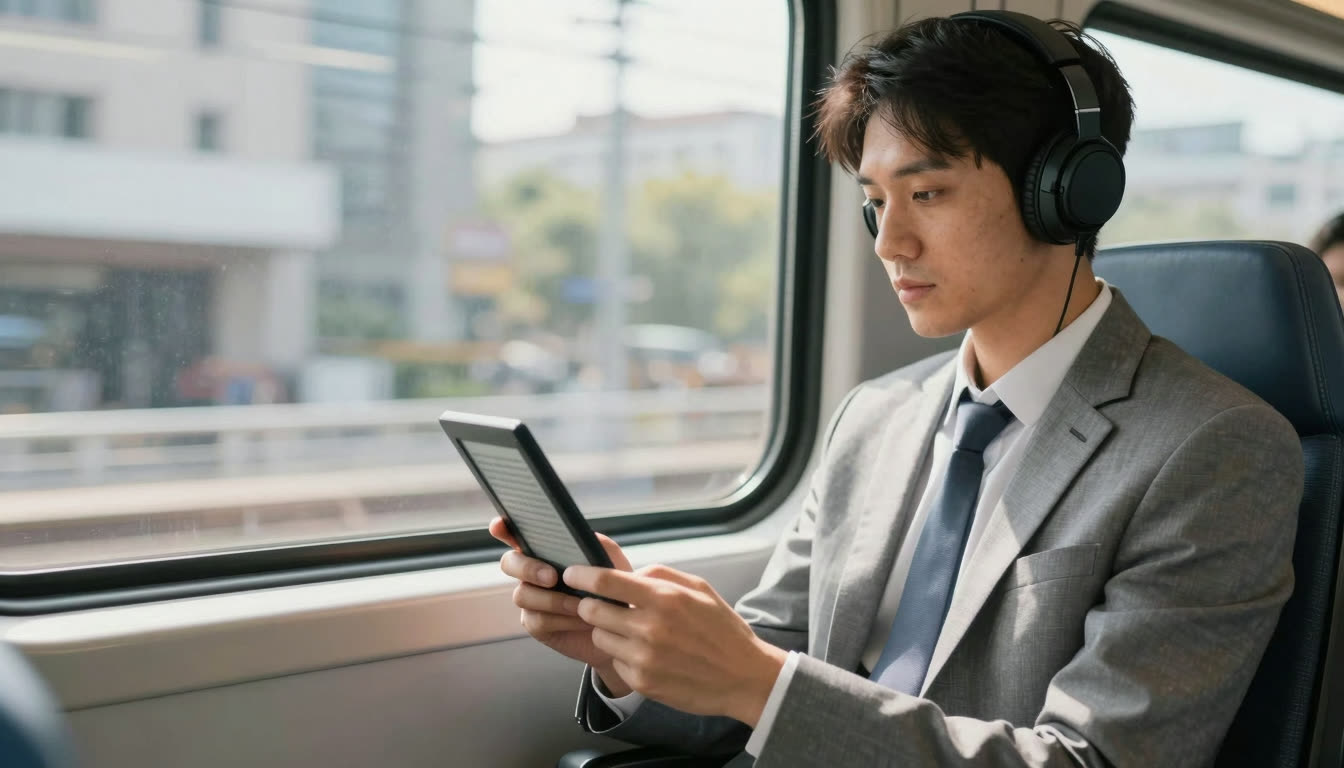
- Download FastRead for iPhone or Android to read ebooks and PDFs in bionic format on the go
For People with ADHD or Dyslexia:
- Bionic reading's fixation points dramatically help with focus and tracking
- Distraction-free reading environments are non-negotiable
- FastRead is completely free and designed specifically as a reading app for ADHD and focus challenges
- The bold text creates visual anchors that reduce the cognitive load of word recognition
The Bottom Line: Reading Faster Isn't About Skimming
The neuroscience is clear: Your brain can process text significantly faster than traditional reading habits allow. The bottleneck isn't your comprehension, it's inefficient eye movement, subvocalization, and distraction.
Bionic reading removes those bottlenecks by creating visual fixation points that guide your eyes through text more efficiently. It's not magic; it's applied cognitive science. And unlike speed reading courses that cost hundreds of dollars, FastRead is completely free, available on iOS, Android, and web at fastread.app.
The reading revolution isn't coming. It's here. Firefox is building AI summarization into browsers. Kobo is integrating reading analytics into e-readers. And bionic reading is making speed reading accessible to anyone with a phone.
The question isn't whether you can read faster and remember more. The question is: what will you do with the extra 5-10 hours per week you'll save?
Ready to see your reading speed double? Try FastRead's Bionic Reader now, paste any text and watch it transform. Or download the app from the App Store or Google Play to convert your ebooks and PDFs. It's free, it takes 30 seconds, and you'll immediately feel the difference.
Your reading list is waiting. Let's get through it together.
About the author
Sophie Bennett
Reading Science Writer
Sophie Bennett translates reading science - eye-tracking studies, fixation research and comprehension data - into plain-English guidance. She grounds FastRead's articles in what the research actually shows.
More from Sophie Bennett →Read faster everywhere with the app
Bionic-read any article, PDF or ebook on the go, save your library, and track your speed. Free to download.


 Scan to get the app - opens the App Store on iPhone/iPad, Google Play on Android