
7 Speed Reading Myths That Are Holding You Back (And Why 2026 Eye-Tracking Research Proves We've Been Lied To)

Sophie Bennett
Reading Science Writer
Here's the uncomfortable truth: almost everything you've been told about speed reading is either outdated, misleading, or flat-out wrong. And if you're still trying to follow advice from the 1970s, or worse, from "gurus" selling $500 courses, you're probably sabotaging your own reading potential.
I'm not here to sell you snake oil. I'm here to show you what 2026 eye-tracking research and modern neuroscience actually say about reading faster, and why the myths you've internalized are keeping you stuck at the same reading speed you had in high school.
Let's burn down some sacred cows.
What's in this article
- Myth 1: speed reading is just skimming
- Myth 2: you must eliminate subvocalization
- Myth 3: speed reading apps are gimmicks
- Myth 4: you can't speed read complex material
- Myth 5: speed reading is a natural talent
- Myth 6: you need expensive courses
- Myth 7: speed reading is just for hustlers
- What 2026 research actually says
- Stop believing the myths
Myth #1: "Speed Reading Means Skimming and You'll Lose Comprehension"
The Lie: Speed reading is just fancy skimming. You can't read faster without sacrificing understanding.
The Reality: This myth conflates two completely different things. Even the general overview of speed reading distinguishes deliberate skimming from techniques that aim to read faster while still processing every word. Yes, if you literally skip words or sentences, you'll miss information. But modern speed reading, especially techniques like bionic reading, isn't about skipping. It's about reducing the cognitive friction that slows you down in the first place.
Recent eye-tracking studies show that most people don't read slowly because they're being careful, they read slowly because their eyes make unnecessary jumps (saccades) and fixations. Bionic reading creates artificial fixation points by bolding the first part of each word, which guides your eyes more efficiently through text. Your brain automatically completes the rest of each word. The result? You can increase reading speed by up to 50% without losing comprehension, because you're not actually skipping anything, you're just processing it more efficiently.
Think of it like upgrading from a dirt road to a highway. You're covering the same ground; you're just doing it faster because the path is smoother.
Try our Bionic Reader and test this yourself, convert any text and see if you actually miss anything.
Myth #2: "You Need to Eliminate Subvocalization to Read Fast"
The Lie: That little voice in your head reading along with you? It's holding you back. You must eliminate it to read faster.
The Reality: This is one of the most persistent and damaging myths in the speed reading world. Yes, subvocalization (mentally "hearing" words as you read) does create a speed ceiling, since most people can't mentally vocalize faster than about 250-300 words per minute. But here's what the gurus don't tell you: completely eliminating subvocalization tanks your comprehension, especially for complex material.
The 2026 research on text-to-speech and reading disabilities (which we'll get to in a moment) actually shows the opposite: synchronized audio can improve comprehension for many readers, particularly those with ADHD or dyslexia. The key isn't eliminating the auditory processing channel, it's making your visual processing so efficient that subvocalization becomes optional, not mandatory.
Bionic reading does exactly this. By creating visual fixation points, it reduces the cognitive load on your visual system, which means your brain doesn't need to lean as heavily on subvocalization to track where you are in the text. You naturally subvocalize less without forcing it.
Forcing yourself to "stop hearing words" is like trying to stop thinking about a pink elephant. It's counterproductive and exhausting.
Myth #3: "Speed Reading Apps Are Just Gimmicks"
The Lie: Real reading happens with physical books. Apps are distractions that don't actually help.
The Reality: This one really grinds my gears because it's so demonstrably false in 2026. We now have eye-tracking data, reading analytics, and neuroscience backing up what works, and yes, the right apps absolutely help.
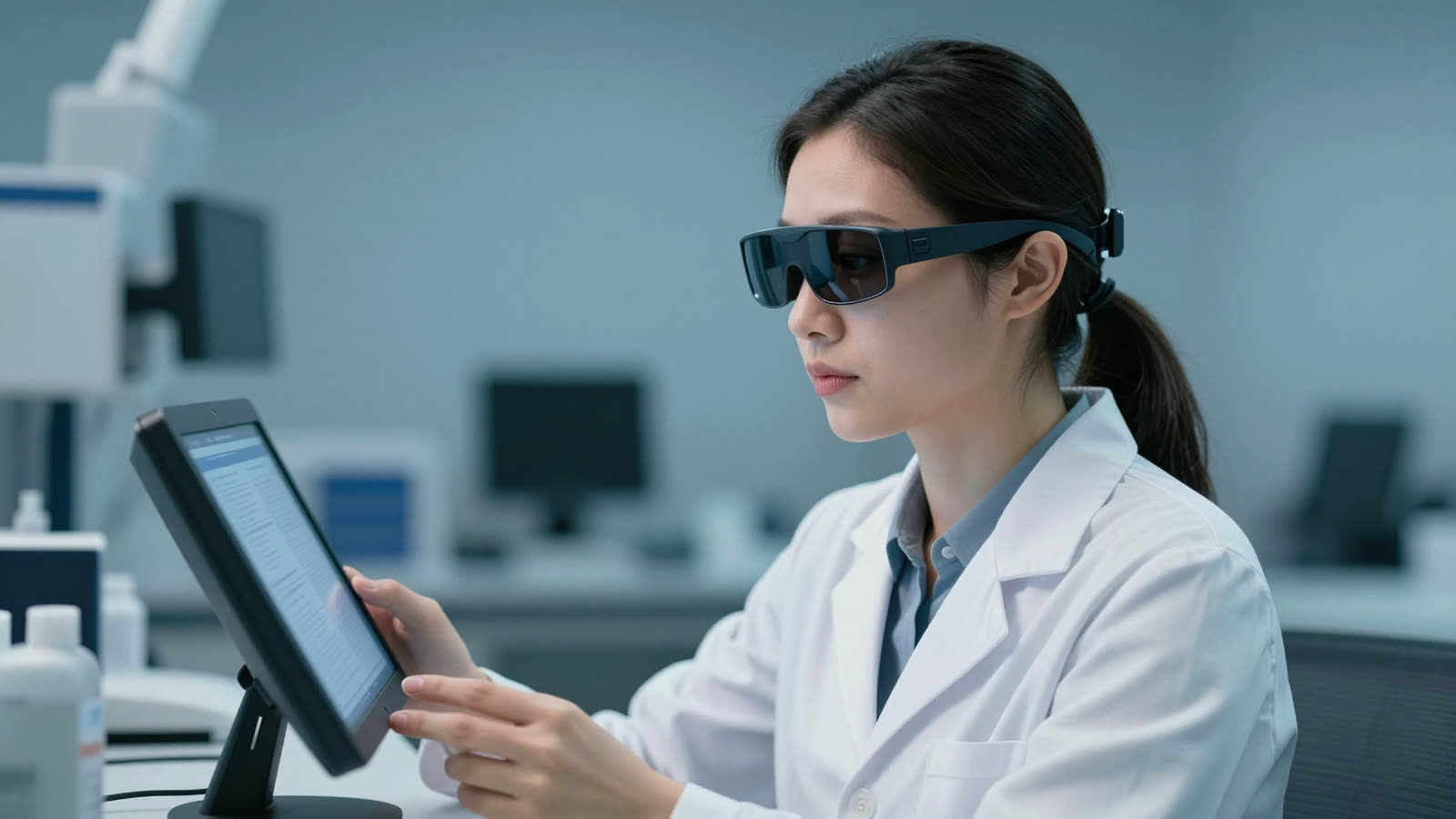
Amazon just released survey data showing that nearly two-thirds of neurodivergent readers (including people with ADHD, dyslexia, and autism) have abandoned books they actually wanted to read because the format didn't work for them. When they got access to personalized tools (adjustable fonts, dark mode, text-to-speech, custom spacing), 30% reported reading longer and 32% felt more confident.
The idea that "real" reading only happens in one specific format is gatekeeping nonsense. If a tool helps you read more, comprehend better, or actually finish the books you start, it's not a gimmick, it's a solution.
FastRead is a completely free bionic reading app available on iOS, Android, and web at fastread.app. It converts PDFs, ebooks, and documents into bionic format, includes a Speed Test to track your words-per-minute improvement, and has 11 professional reading tools. No subscription required. If that's a "gimmick," sign me up for more gimmicks.
Myth #4: "You Can't Speed Read Technical or Complex Material"
The Lie: Speed reading only works for light fiction or blog posts. For textbooks, research papers, or dense material, you need to slow down.
The Reality: This myth contains a grain of truth wrapped in a terrible conclusion. Yes, complex material requires more cognitive processing. But that doesn't mean you can't read it faster, it means you need better tools for complex material, not slower reading.
Research on how people read on screens shows we tend to scan and jump around rather than read linearly, which is exactly the behavior that derails comprehension of dense material. Here's what actually happens when you read difficult text slowly: you lose the thread. You read a sentence, pause to think about it, read it again, forget what the previous paragraph said, scroll back up, and end up in a comprehension death spiral.
Faster reading, especially with bionic text, can actually improve comprehension of complex material because it keeps you in flow state. Your working memory can hold the context better when you're moving through the text at a steady pace instead of stopping and starting.
Obviously, you'll read a romance novel faster than a quantum physics paper. But the question isn't "can I read this as fast as light fiction?" It's "can I read this faster than I currently do without losing comprehension?" And the answer, for most people with most material, is yes.
Students and researchers using FastRead's Focus Reader report getting through academic papers and textbooks significantly faster, specifically because the bionic format helps them maintain focus and reduces the need for re-reading.
Myth #5: "Speed Reading Is a Natural Talent: You Either Have It or You Don't"
The Lie: Some people are just naturally fast readers. If you're not one of them, tough luck.
The Reality: This is the most insidious myth because it lets you off the hook. "I'm just not a fast reader" becomes an identity instead of a skill gap.
Reading speed is absolutely trainable. Elite speed readers aren't genetic freaks, they've trained their eye movements, reduced subvocalization, and built up their visual processing capacity. The reason most people never get faster is that they never actually practice with feedback.
That's why tracking matters. FastRead's Reading Tracker lets you measure your words per minute over time. When you can see your progress ("I was at 210 WPM last month, now I'm at 280"), it stops being a mysterious talent and becomes a measurable skill.
The "immersive reading" trend exploding on TikTok right now (searches up 10× in early 2026) proves this point. People are discovering that reading while listening to the audiobook simultaneously helps them focus and read faster, not because they suddenly became talented, but because they found a technique that works for their brain. It's "like watching a movie with subtitles," as users describe it.
Different techniques work for different people, but the idea that you're locked into your current reading speed forever is garbage. If focus is your real bottleneck, our guide to focus reading techniques for ADHD breaks down approaches that pair well with bionic text.
Myth #6: "You Need Expensive Courses to Learn Speed Reading"
The Lie: Real speed reading requires professional training, expensive courses, or certification programs.
The Reality: The speed reading course industry is worth millions, and it thrives on this myth. Yes, structured training can help. But the core techniques (reducing fixations, using visual guides, practicing with timed texts) are not proprietary secrets.
In 2026, you have access to free tools that do 90% of what those $500 courses promise. FastRead gives you:
- A Bionic Reader that instantly converts any text
- A Speed Test to measure your WPM
- Practice Texts specifically designed for speed reading training
- A Focus Reader for distraction-free sessions
- All completely free, no credit card required
Download it from the App Store for iPhone/iPad or Google Play for Android, or use it at fastread.app on any browser.
The best speed reading "course" is deliberate practice with immediate feedback. Set a baseline, use bionic text to train your eyes, test yourself regularly, and track improvement. That's it. You don't need a guru.
Myth #7: "Speed Reading Is Just a Productivity Hack for Hustlers"
The Lie: Speed reading is for people who want to "optimize" everything and treat reading like a checklist. Real readers savor books slowly.
The Reality: This is literary snobbery dressed up as wisdom. Yes, there are books you want to savor. Read those slowly! But acting like all reading deserves the same pace is absurd.
You don't need to savor your email. You don't need to luxuriate in a 40-page PDF report. You don't need to "sit with" the methodology section of a research paper. Some reading is functional, and reading it faster means you have more time for the reading you actually want to savor.
Speed reading isn't about turning everything into a race. It's about having options. Students who can read their textbook chapters in half the time have more time for the novels they actually enjoy. Professionals who can process reports faster have more time for deep work. Researchers who can scan literature reviews efficiently can spend more time on the papers that matter.
The real myth here is that speed and depth are opposed. They're not. Speed gives you the luxury of depth where it counts.
The Bottom Line: What 2026 Research Actually Says
Here is a quick scorecard of the myths against what current eye-tracking studies and neuroscience actually show:
| The myth | What the research shows |
|---|---|
| Speed reading is just skimming | Bionic text reduces wasted saccades and fixations, so you process the same words faster without skipping |
| You must kill subvocalization | Forcing it away hurts comprehension; efficient visual processing makes it optional, not mandatory |
| Reading apps are gimmicks | Survey data shows customizable formats helped neurodivergent readers read longer and feel more confident |
| You can't speed read complex text | Steady-paced reading keeps you in flow and can improve comprehension of dense material |
| Fast reading is a fixed talent | Reading speed is trainable with feedback; measured WPM gains are common |
| You need a $500 course | The core techniques are free and reproducible with the right tools and deliberate practice |
Here's what we know from current eye-tracking studies and neuroscience:
- Visual fixation points work. Bionic reading's approach of bolding word-beginnings reduces unnecessary eye movements and speeds up processing.
- Personalization matters. The Amazon Kindle survey shows that customizable reading formats (fonts, spacing, dark mode, text-to-speech) significantly improve both speed and confidence, especially for neurodivergent readers.
- Multimodal reading helps many people. The "immersive reading" trend (text + audio simultaneously) is backed by real results for ADHD and dyslexia.
- Reading speed is trainable. It's a skill, not a talent. Deliberate practice with feedback produces measurable gains.
The myths from the 1970s speed reading boom (eliminate subvocalization, take expensive courses, it's all just skimming) are actively holding people back from techniques that actually work.
Stop Believing the Myths. Start Reading Faster.
You don't need permission to read faster. You don't need a $500 course. You don't need to feel guilty about wanting to get through your reading pile more efficiently.
You need a tool that works and the willingness to practice.
FastRead is a free bionic reading app with 11 professional tools designed to help you read faster and comprehend better. It works with ebooks, PDFs, articles, and any text you throw at it. Download FastRead on iOS (App Store), Android (Google Play), and web (fastread.app).
Try the Bionic Reader now and see how fast you can actually read when your eyes have a clear path through the text. Then test your speed and track your improvement over time.
The only thing holding you back is the myths you're still believing.
Time to let them go.
About the author
Sophie Bennett
Reading Science Writer
Sophie Bennett translates reading science - eye-tracking studies, fixation research and comprehension data - into plain-English guidance. She grounds FastRead's articles in what the research actually shows.
More from Sophie Bennett →Read faster everywhere with the app
Bionic-read any article, PDF or ebook on the go, save your library, and track your speed. Free to download.


 Scan to get the app - opens the App Store on iPhone/iPad, Google Play on Android