Will Bionic Reading Become the Default Way We Read? What NC State's 2026 Accessibility Research and Amazon's Kindle Purge Tell Us About the Future

Daniel Cho
Reading Tech Analyst
In April 2026, two seemingly unrelated events painted a fascinating picture of where reading technology is headed. On April 13th, NC State University launched "Wicked Words," a global citizen science project asking people worldwide to photograph challenging reading scenarios: glare on screens, tiny restaurant menu fonts, poorly lit ebook displays. Meanwhile, on April 10th, Amazon began cutting off older Kindle models from the Kindle Store for the first time, forcing users toward newer hardware.
Connect the dots and you see something bigger: we are at an inflection point where how we read is being fundamentally rethought. And bionic reading, the method that bolds the first half of each word to create visual fixation points, might be positioned to become not just a speed reading hack but the default way millions of people consume text.
What's in this article
- The news: two April 2026 signals
- Background: how reading technology stalled
- Why NC State's "Wicked Words" project matters
- Amazon's Kindle purge and the hardware constraint
- Why bionic reading could become the default
- Impact on readers and the industry
- What to watch for next
- The bottom line
The News: Two Signals Point to a Reading Revolution
In April 2026, two seemingly unrelated events painted a fascinating picture of where reading technology is headed. On April 13th, NC State University launched "Wicked Words," a global citizen science project asking people worldwide to photograph challenging reading scenarios: glare on screens, tiny restaurant menu fonts, poorly lit ebook displays. Meanwhile, on April 10th, Amazon began cutting off older Kindle models from the Kindle Store for the first time, forcing users toward newer hardware.
Connect the dots and you see something bigger. We are at an inflection point where how we read is being fundamentally rethought. And bionic reading, the method that bolds the first half of each word to create visual fixation points, might be positioned to become not just a speed reading hack, but the default way millions of people consume text.
Background: Reading Technology Has Been Stuck
For all our technological progress, the way we read digital text has not changed much since the first Kindle launched in 2007. Sure, screens got sharper and e-ink improved, but the fundamental experience, black text on white background, left to right, word by word, remained static.
Meanwhile, the volume of required reading exploded. Students face 300-page textbooks. Professionals drown in reports, emails, and documentation. Researchers need to scan dozens of papers weekly. The average knowledge worker reads approximately 100,000 words per day across emails, Slack, documents, and articles.
Traditional reading methods were not designed for this information tsunami. Your eyes make 4-5 jumps (called saccades) per line, and your brain processes each word individually. It works, but it is inefficient, like using a 1990s modem to stream 4K video.
Enter bionic reading: a method that bolds the beginning of each word, creating artificial fixation points that guide your eyes faster through text. Your brain automatically completes the rest of each word, reducing eye movements and potentially increasing reading speed while maintaining comprehension. According to Wikipedia's overview of Bionic Reading, the concept was developed by Swiss typographic designer Renato Canapini and has attracted both enthusiastic adopters and skeptical researchers.
Why NC State's "Wicked Words" Project Matters
NC State's research project, led by assistant professor Yingchen He and Ph.D. student Yiting Liu, is tackling a question that sounds simple but has massive implications: what makes text hard to read in real-world conditions?
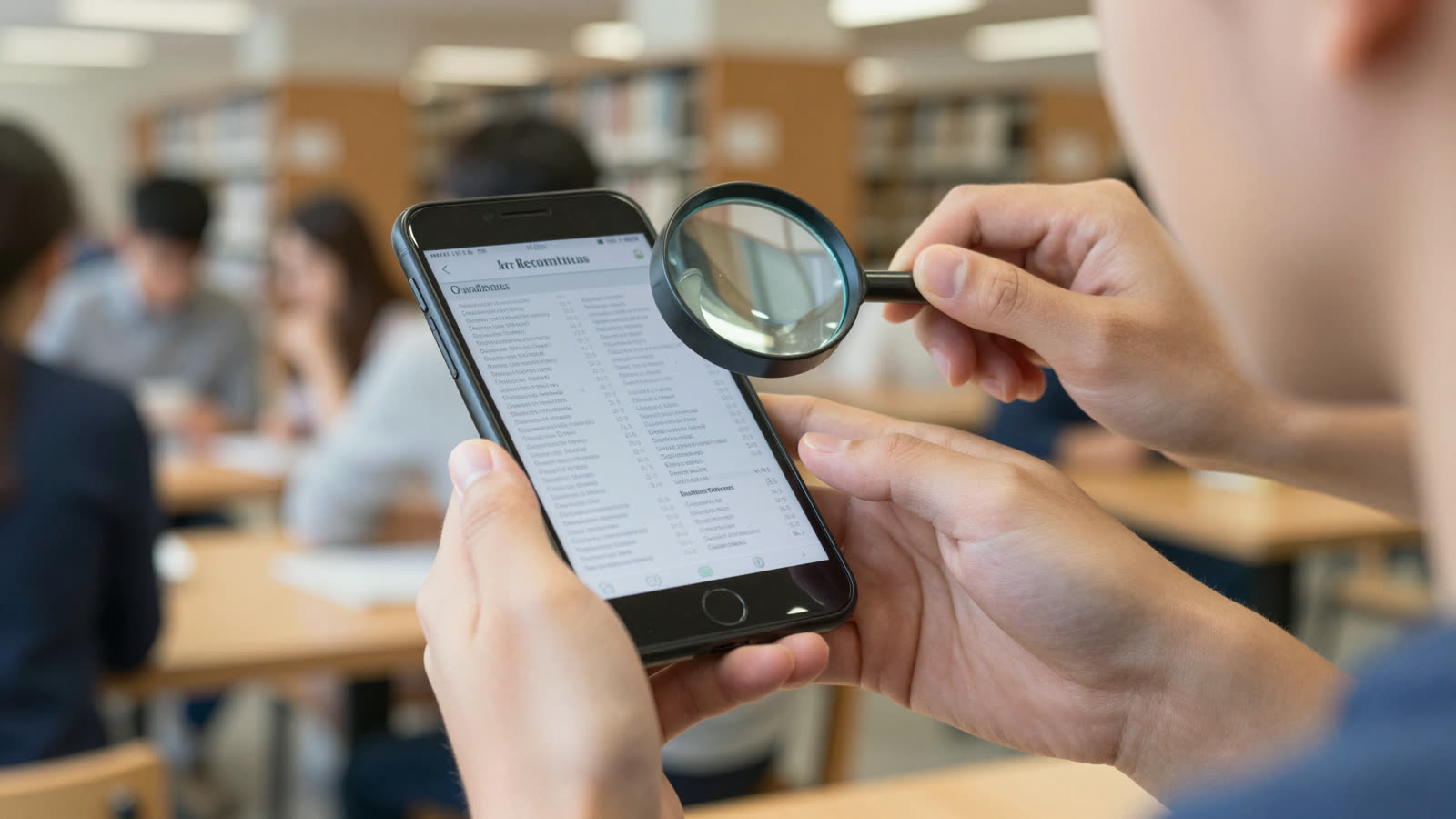
They are asking people globally to photograph challenging reading scenarios using a printed reference card and smartphone. Glare on a tablet screen. Tiny font on a medicine bottle. Menu text in dim restaurant lighting. E-reader displays in bright sunlight.
Here is why this matters for the future of bionic reading:
Real-World Accessibility Standards
Current reading accessibility standards were developed in controlled lab environments. But people read in cars, on trains, in coffee shops with terrible lighting, on phones with cracked screens. The "Wicked Words" project acknowledges that reading technology needs to work in messy, imperfect conditions.
Bionic reading excels precisely in these challenging scenarios. When text is hard to parse, small fonts, poor contrast, visual fatigue, the bold fixation points become even more valuable. They provide visual anchors that help your eyes track text when conditions are not ideal.
Data-Driven Typography
The citizen science approach means researchers will collect thousands of real-world examples of reading failures. This data could inform the next generation of e-reader and reading app design.
Imagine future ebook readers that automatically detect lighting conditions and adjust text formatting accordingly, perhaps switching to bionic reading format when ambient light is poor or font size is constrained. The "Wicked Words" data could make this possible.
Legitimizing Alternative Reading Methods
By studying what makes reading difficult, NC State is implicitly asking: what makes reading easy? This opens the door for alternative methods like bionic reading to move from "interesting experiment" to "evidence-based solution."
When academic institutions research reading accessibility, they create a framework for evaluating new approaches. Bionic reading is not just a speed reading trick. It is an accessibility tool that helps people with ADHD, dyslexia, and visual processing challenges read more effectively.
Amazon's Kindle Purge: The Hardware Constraint
Amazon's decision to cut off older Kindles from the Kindle Store seems like a business move to push users toward new hardware. But it reveals a deeper tension in reading technology.
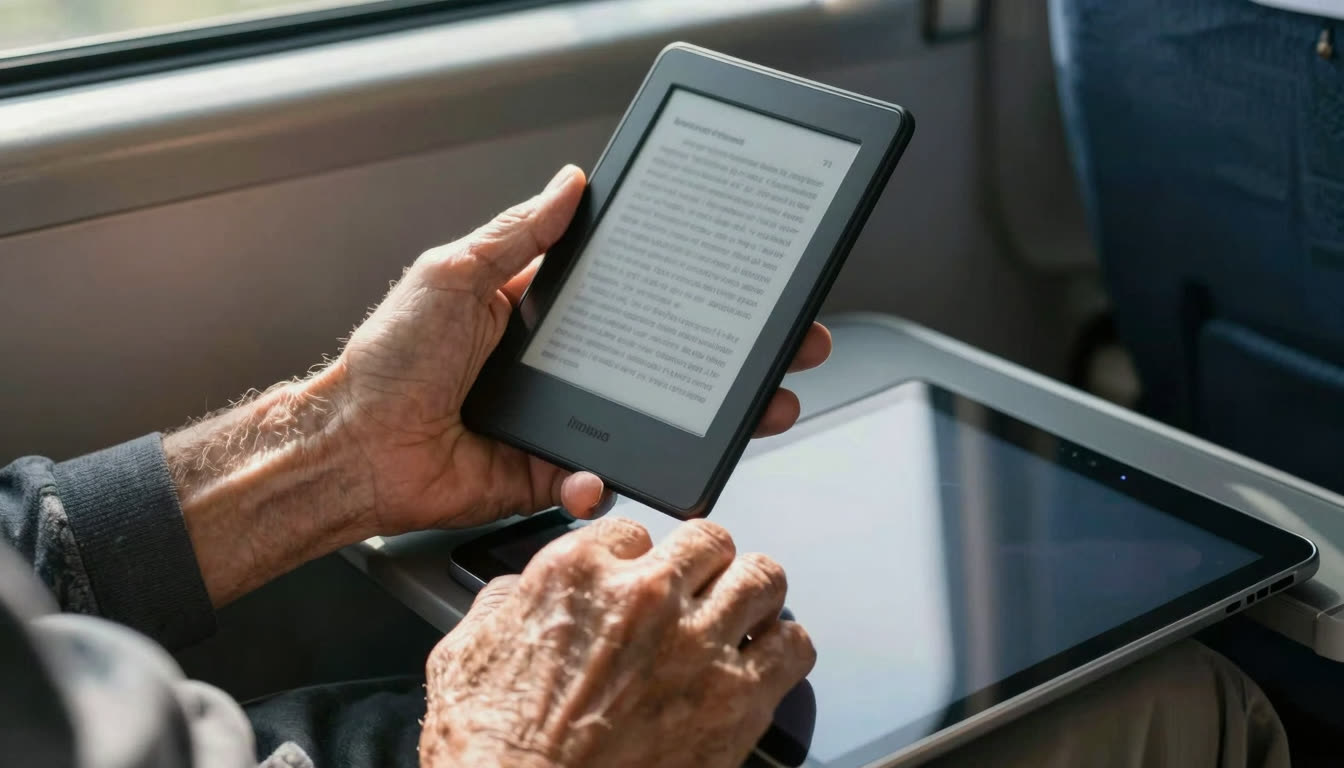
Older e-readers are locked into their original software. They cannot update to support new text formats, rendering methods, or accessibility features. When Amazon discontinues support, those devices become frozen in 2015 technology even though we are in 2026. The Wikipedia article on e-readers traces this hardware lock-in problem across the whole device category.
This creates an opportunity for flexible, cross-platform reading solutions. Unlike dedicated e-readers, reading apps can evolve continuously. A bionic reading app like FastRead works on any device, iPhone, Android, web browser, and updates instantly with new features.
The Death of Single-Purpose Devices
The Kindle purge accelerates a trend: people want multi-purpose devices. Why carry a Kindle when your phone can be a bionic reading powerhouse that handles PDFs, ebooks, articles, and documents?
Free reading apps with professional features are eating dedicated e-reader market share. When you can convert any text to bionic reading format instantly, measure your reading speed with a speed test, and use a focus reader for distraction-free sessions, all on the device already in your pocket, dedicated hardware becomes harder to justify.
Analysis: Why Bionic Reading Could Become the Default
These two April 2026 developments point toward conditions where bionic reading moves from niche to mainstream. The table below summarizes how each driver connects to a specific bionic reading advantage:
| Driver | What is happening | Bionic reading advantage |
|---|---|---|
| Accessibility research | NC State studying real-world reading failures | Bold anchors help in poor lighting and small fonts |
| Hardware obsolescence | Amazon cutting off older Kindles | Software apps update; hardware cannot |
| Information overload | Knowledge workers reading ~100K words/day | Speed and focus improvements compound at scale |
| Personalization trend | Readers expect dark mode, custom fonts | Bionic toggle fits naturally alongside existing options |
1. Accessibility Becomes Priority
NC State's research reflects growing awareness that reading accessibility matters, not just for people with diagnosed conditions, but for everyone reading in suboptimal conditions, which is most of the time.
Bionic reading serves both groups. It is a proven tool for ADHD readers who need help with focus and tracking. It is also a productivity tool for anyone who needs to read faster without sacrificing comprehension.
2. Software Beats Hardware
Amazon's hardware obsolescence pushes users toward flexible software solutions. Bionic reading is pure software. It works on any platform, updates instantly, and does not require buying new devices.
FastRead is completely free, available on iOS (App Store), Android (Google Play), and web (fastread.app). No subscription, no locked-in hardware, no planned obsolescence.
3. Information Overload Demands Efficiency
The volume of required reading keeps increasing. Traditional reading methods cannot keep pace. Speed reading techniques like bionic reading are not luxuries. They are necessities for students, professionals, and researchers.
Universiti Teknologi MARA recognized this on April 8th, 2026, hosting a three-hour Advanced Speed Reading Program for students overwhelmed by academic materials. Universities are actively teaching speed reading because traditional methods no longer suffice.
4. Personalization Becomes Expected
Readers increasingly expect customization. Dark mode, font choices, text size: everyone wants reading experiences tailored to their needs.
Bionic reading fits this trend perfectly. It is an optional enhancement that some people find transformative, especially those with ADHD or dyslexia, while others can stick with traditional text. Future reading platforms will offer bionic reading as a standard toggle, like dark mode today.
Impact on Readers and the Industry
For Individual Readers
If bionic reading becomes standard, expect:
- Faster information processing: read textbooks, reports, and articles in less time
- Better accessibility: people with ADHD, dyslexia, or visual processing challenges gain equal access
- Reduced eye strain: fewer saccades mean less eye movement and fatigue
- Device flexibility: read on any device without buying specialized hardware
For the Reading App Industry
Apps that do not offer bionic reading will seem outdated, like apps without dark mode today. We will see:
- Feature parity: all major ebook readers and PDF apps adding bionic reading options
- Enhanced implementations: AI-powered systems that adjust bionic formatting based on reading conditions, with NC State's research enabling this
- Integration everywhere: bionic reading in email clients, web browsers, note-taking apps, and document readers
For Publishers and Content Creators
Publishers may start offering bionic-formatted versions of ebooks and digital textbooks. Academic publishers especially will adopt it for dense technical material where reading speed and comprehension matter most.
What to Watch For Next
Academic Validation
As NC State and other institutions study reading accessibility, expect peer-reviewed research on bionic reading effectiveness. This academic validation will accelerate mainstream adoption.
Platform Integration
Watch for Apple, Google, or Amazon to integrate bionic reading into their native reading experiences. When iOS or Android offers system-wide bionic reading, it becomes truly mainstream.
AI-Enhanced Formatting
The next evolution: AI that adjusts bionic formatting based on text complexity, reader skill level, and environmental conditions. NC State's "Wicked Words" data could train these systems.
Workplace Adoption
Companies may start offering bionic reading tools as productivity and accessibility benefits. When reading 100,000 words daily, even a modest speed improvement becomes a competitive advantage.
The Bottom Line: Try It Before It's Everywhere
Bionic reading is moving from early adopter phase to mainstream consideration. The convergence of accessibility research, hardware obsolescence, and information overload creates perfect conditions for adoption.
You do not need to wait for Apple or Amazon to build it into their platforms. Try FastRead's bionic reader right now, convert any text instantly and see if it works for you. Test your reading speed before and after with our speed test to measure the difference.
FastRead is a completely free bionic reading app with 11 professional tools, available on iOS (App Store), Android (Google Play), and web. No subscription, no ads, no gimmicks: just a better way to read ebooks, PDFs, articles, and documents.
Two years from now, bionic reading might be as common as dark mode. Get ahead of the curve and discover whether this reading revolution works for you. Download FastRead or try the web version today.
Because the future of reading is not about hardware. It is about how your brain processes text. And bionic reading might just be the upgrade your brain has been waiting for.
About the author
Daniel Cho
Reading Tech Analyst
Daniel Cho covers reading technology for FastRead - how bionic reading, RSVP and speed-reading tools actually work, and how they compare. He tests reading apps and browser tools hands-on and writes the deep-dives that cut through the hype.
More from Daniel Cho →Read faster everywhere with the app
Bionic-read any article, PDF or ebook on the go, save your library, and track your speed. Free to download.


 Scan to get the app - opens the App Store on iPhone/iPad, Google Play on Android