The PM Who Reads 10 Reports Before Breakfast Beats the One Who Reads One by Lunch

Marcus Reed
Productivity Editor
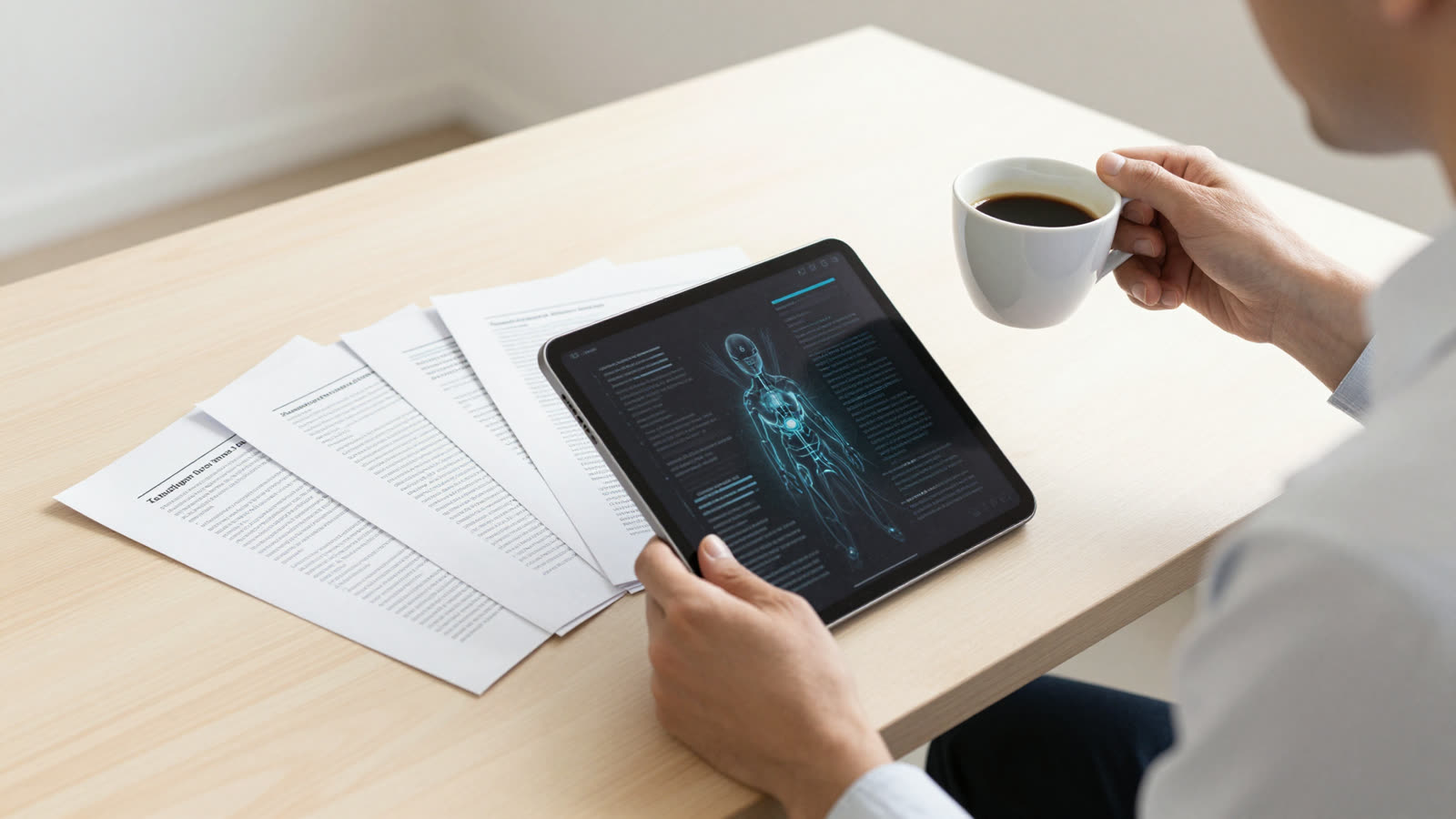
Hot take: The modern product manager's superpower isn't building features faster, it's reading competitor reports, user research, and market analyses before everyone else finishes their coffee.
We're living through an information arms race. While Google just dropped a free offline AI dictation app (Eloquent, April 6, 2026) that polishes your meeting notes in real-time, and FastrFlow raised $375K to build screen-aware AI copilots that digest your PDFs, the uncomfortable truth remains: you still need to actually read things.
And the PM who can speed read through 10 competitor analyses, user feedback reports, and market research documents before breakfast will absolutely demolish the one still highlighting their first PDF by lunch.
What's in this article
- The reading crisis nobody talks about in product management
- Why "just read faster" isn't advice, it's a skill
- Three reasons speed reading is a PM's competitive advantage
- "But won't I miss important details?"
- The FastrFlow problem: AI can't read for you (yet)
- How to actually implement this tomorrow
- The bottom line
The Reading Crisis Nobody Talks About in Product Management
Product managers are drowning. You're expected to:
- Digest user research from 47 customer interviews
- Read competitor teardowns and market reports
- Scan engineering specs and technical documentation
- Process Slack threads, email chains, and meeting notes
- Stay current on industry trends and case studies
The average PM receives 120+ emails daily and reads 300+ Slack messages. Add in the actual documents (PRDs, roadmaps, research papers) and you're looking at 50,000+ words per day. That's a short novel. Every. Single. Day.
Most PMs respond by skimming, which means missing critical details. Or they fall behind, which means making decisions with incomplete information. Neither option is acceptable when you're deciding what to build next.
Why "Just Read Faster" Isn't Advice, It's a Skill
Here's where it gets interesting: reading speed isn't fixed. The average adult reads 200-250 words per minute. Trained speed readers hit 400-600 WPM. Elite readers? 800+ WPM with better comprehension than most people achieve at 200 WPM.
Here is how those reading speeds translate into real time spent on a typical PM's weekly reading load of roughly 250,000 words:
| Reader type | Reading speed | Time for 250k words/week | Hours saved vs. baseline |
|---|---|---|---|
| Average adult | 250 WPM | ~16.7 hours | baseline |
| Trained reader | 500 WPM | ~8.3 hours | ~8.4 hours/week |
| Elite reader | 800 WPM | ~5.2 hours | ~11.5 hours/week |
The difference isn't intelligence, it's technique.
Traditional reading advice tells you to "eliminate subvocalization" or "use a pointer." Fine, but impractical when you're switching between a Figma doc, a Google Doc, and a PDF research report.
Enter bionic reading: a method that bolds the first half of each word, creating artificial fixation points. Your brain automatically completes the rest. This is what bionic text looks like. It reduces eye jumps (saccades), cuts the cognitive load, and can increase reading speed by 30-50% without sacrificing comprehension.
It's not magic, it's neuroscience. Your brain is a pattern-matching machine. Give it better patterns, and it processes faster. If you want the bigger picture on why this matters for our field, information overload is a well-documented drag on decision quality, and faster reading is one of the few levers you fully control.
Three Reasons Speed Reading Is a PM's Competitive Advantage
1. You Make Faster Decisions with More Context
While your competitor's PM is still on page 3 of the user research report, you've already read all 12 pages, cross-referenced it with last quarter's data, and spotted the pattern everyone else will notice next week.
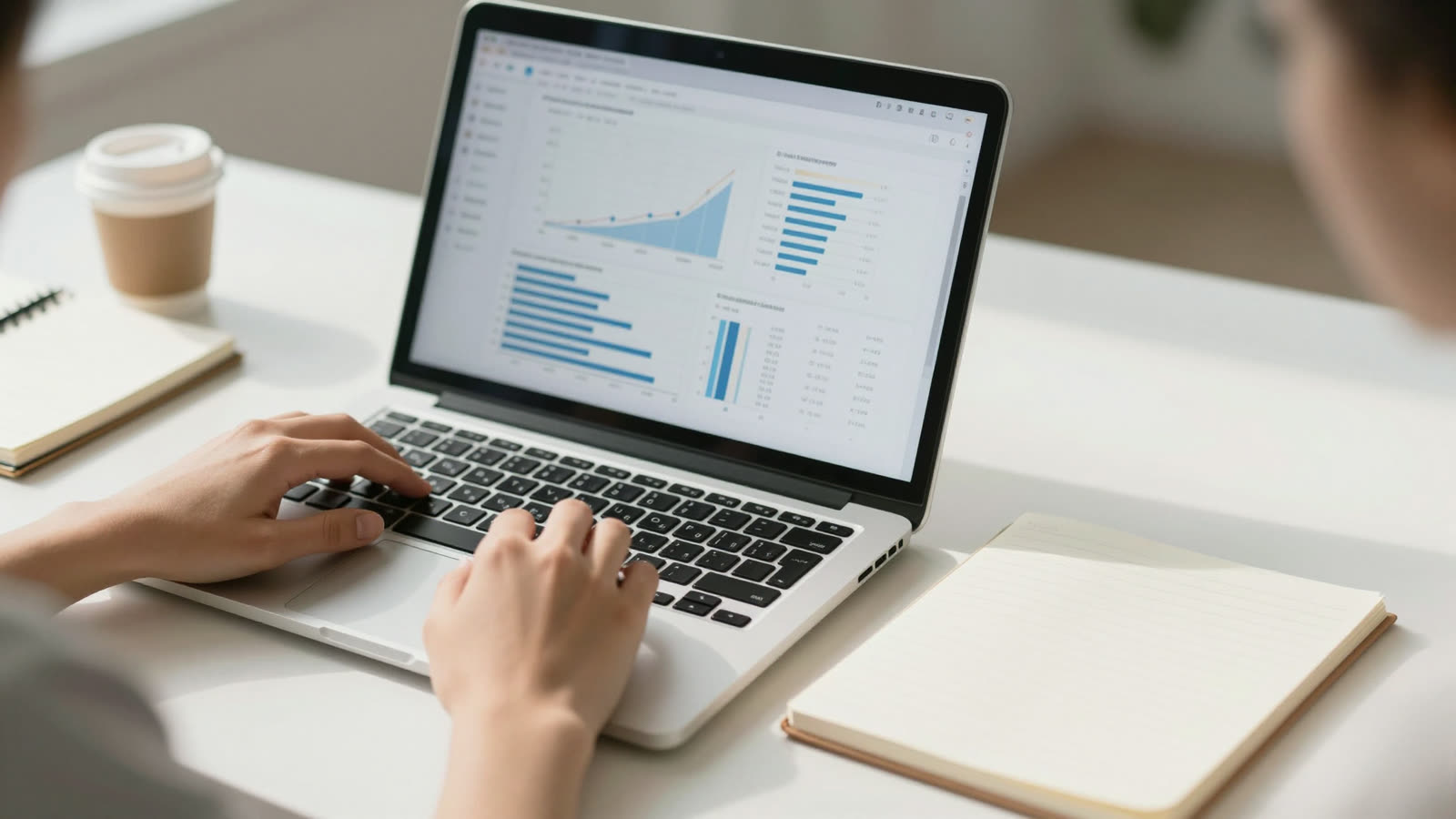
Speed reading doesn't mean skimming. It means processing information faster while retaining more. When you can read a 40-page competitive analysis in 25 minutes instead of 90, you have time to actually think about what it means, and act on it.
Use FastRead's Bionic Reader to convert those reports into bionic format instantly. Upload a PDF, get bionic text, read 40% faster.
2. You Stay Ahead of Industry Trends
The PM who reads one industry newsletter stays informed. The PM who reads ten newsletters, three research papers, and five blog posts per week becomes the person everyone asks for insights.
When Google quietly launched Eloquent last week, an offline AI dictation app that removes "um" and "ah" in real-time, the PMs who spotted it early started thinking about implications: if speech-to-text gets this good, how does that change our voice interface strategy? What features become obsolete? What new opportunities open up?
Speed reading gives you the bandwidth to spot these signals while they're still weak. By the time everyone else notices, you've already shipped a response.
3. You Process User Feedback at Scale
Ten customer interviews generate roughly 30,000 words of transcripts. Reading all of them at 250 WPM takes 2 hours. At 500 WPM? One hour. That extra hour lets you read ten more interviews, or actually analyze patterns instead of just checking the box.
The PMs who read more user research make better product decisions. Full stop. Speed reading removes the bottleneck.
Try FastRead's Speed Test right now, measure your baseline WPM, then test again with bionic text. Most users see immediate improvement.
"But Won't I Miss Important Details?"
This is the most common objection, and it's based on a false assumption: that slower reading equals better comprehension.
Research shows the opposite. When you read too slowly, your working memory fills up with individual words instead of concepts. You lose the forest for the trees. Faster reading, when done with proper technique, actually improves comprehension because you're processing ideas in larger chunks.
Bionic reading specifically helps with retention because the fixation points create a rhythm. Your brain locks onto patterns more easily. Students with ADHD and dyslexia report significantly better focus with bionic text because it reduces the cognitive effort required to track lines and decode words.
For critical documents where you need 100% accuracy? Read them twice in bionic format. You'll still finish faster than reading once the traditional way, and you'll catch more details on the second pass.
The FastrFlow Problem: AI Can't Read for You (Yet)
FastrFlow's $375K raise is exciting. A screen-aware AI copilot that interprets context from lectures, PDFs, and spreadsheets sounds like a PM's dream. But here's the limitation: AI summarization only works when you know what questions to ask.
If you haven't read enough to understand the domain, you won't know what to ask the AI. You'll accept its summary at face value and miss the nuance that separates good PMs from great ones.
AI tools are force multipliers, not replacements. The PM who reads fast and uses AI to augment their understanding will beat the PM who outsources all reading to AI and never builds deep domain knowledge.
Use FastRead's Text Summarizer to get AI-powered summaries of long documents, then read the full text in bionic format to catch what the AI missed.
How to Actually Implement This Tomorrow
Start small. Don't try to speed-read everything immediately. Pick one document type (competitor reports, user research, industry newsletters) and convert them to bionic format for two weeks.
Download FastRead's iOS app or use the web-based Bionic Reader. Upload your PDFs, paste in articles, open ebooks. The tool does the conversion instantly.
Track your WPM with the Speed Test weekly. Most users see 20-30% improvement in the first week, 40-50% by week three. The gains compound. Keep a record of your progress with the Reading Tracker so you can see the trend, not just a single session.
For more on why this skill is becoming non-negotiable in product roles, read why product managers who can't speed read are already behind.
Use the Focus Reader for distraction-free sessions. Block 25 minutes, load a document, and just read. No Slack, no email, no context-switching. You'll be shocked how much you can process in focused sprints.
The Bottom Line
Information density is increasing. The volume of documents, reports, and research you need to read as a PM isn't shrinking, it's exploding. AI tools help, but they don't replace the need to actually understand your domain deeply.
The PMs who win in the next decade will be the ones who can process more information faster without sacrificing depth. Speed reading, especially with techniques like bionic reading, is the unlock.
So yeah: the PM who reads 10 reports before breakfast absolutely beats the one who reads one by lunch. And it's not even close.
Ready to test your reading speed? Try FastRead's Bionic Reader right now, paste in any text and see the difference immediately. Or download the app to convert your entire PDF library into bionic format. Your future self (the one who just finished reading all the user research) will thank you.
About the author
Marcus Reed
Productivity Editor
Marcus Reed writes about reading as a productivity system - how busy professionals read more in less time without losing comprehension. He focuses on practical habits, workflows and the tools that make them stick.
More from Marcus Reed →Read faster everywhere with the app
Bionic-read any article, PDF or ebook on the go, save your library, and track your speed. Free to download.


 Scan to get the app - opens the App Store on iPhone/iPad, Google Play on Android