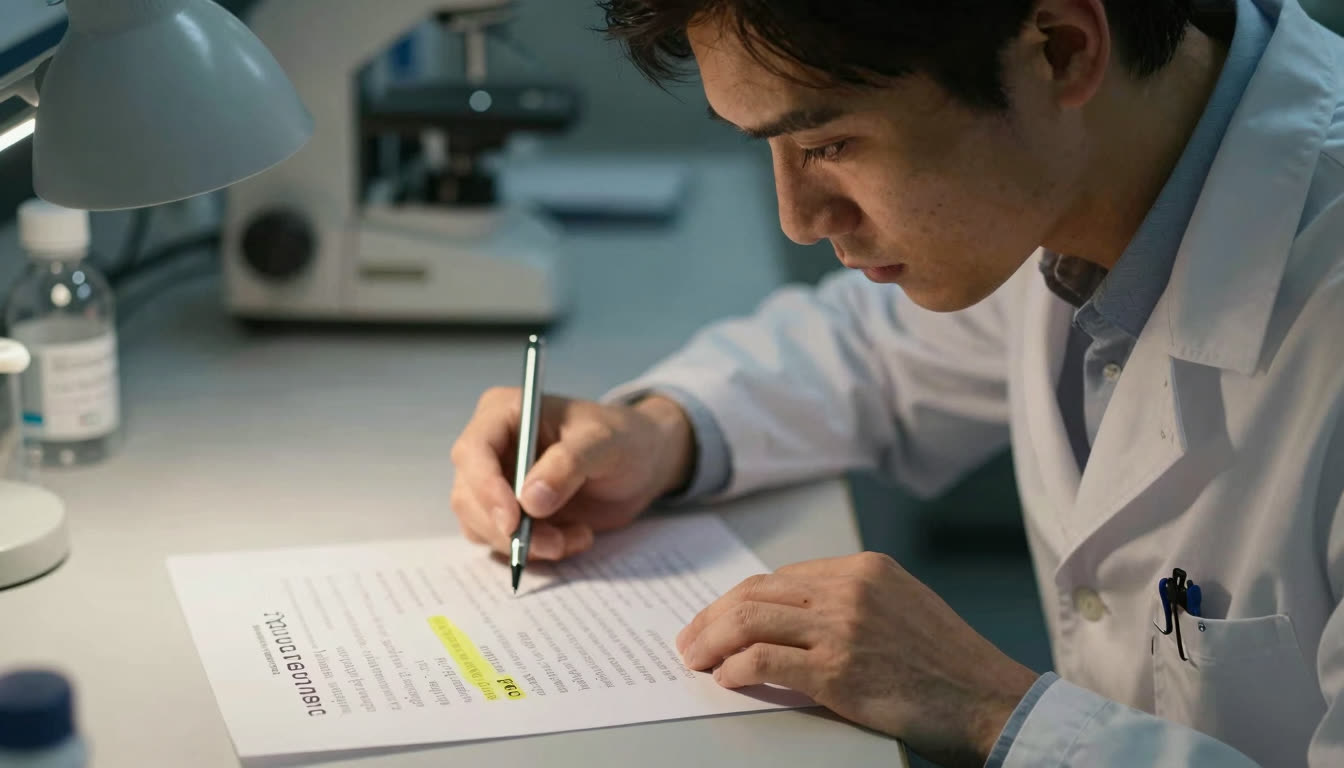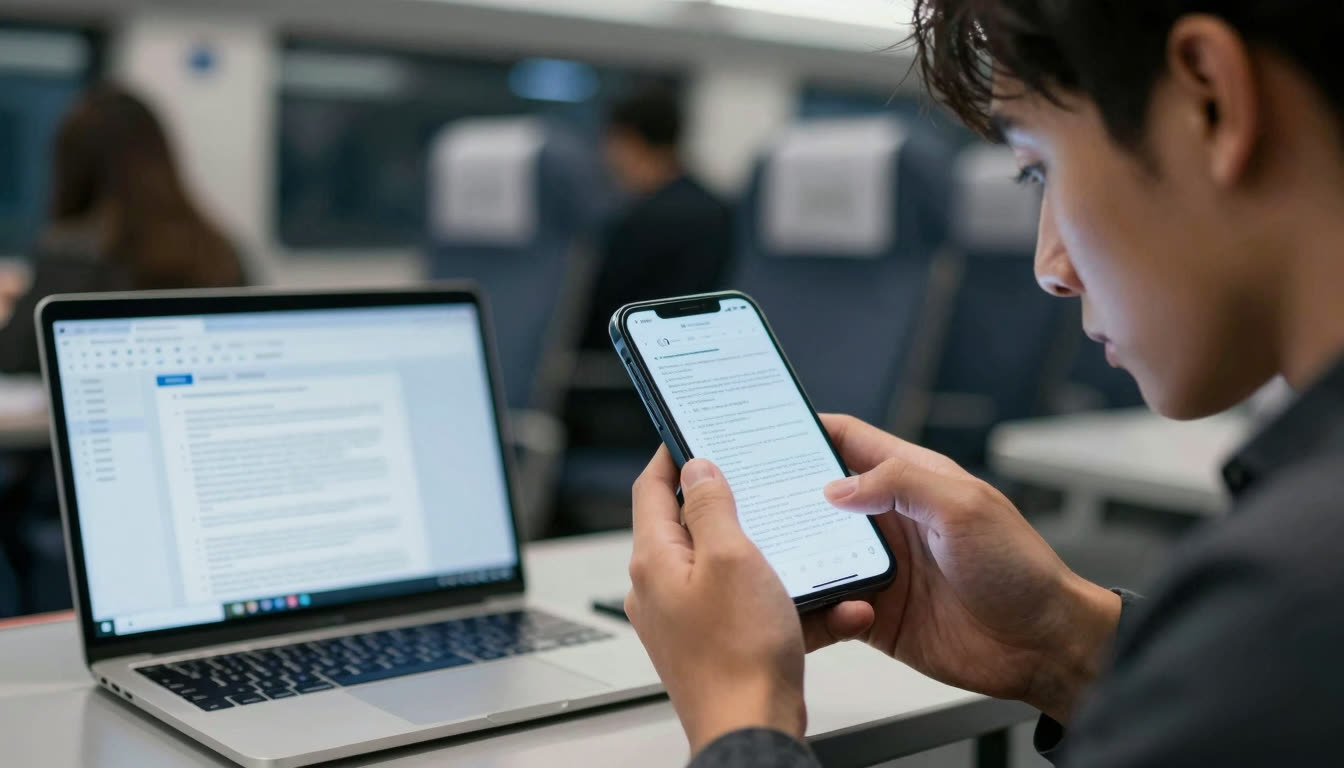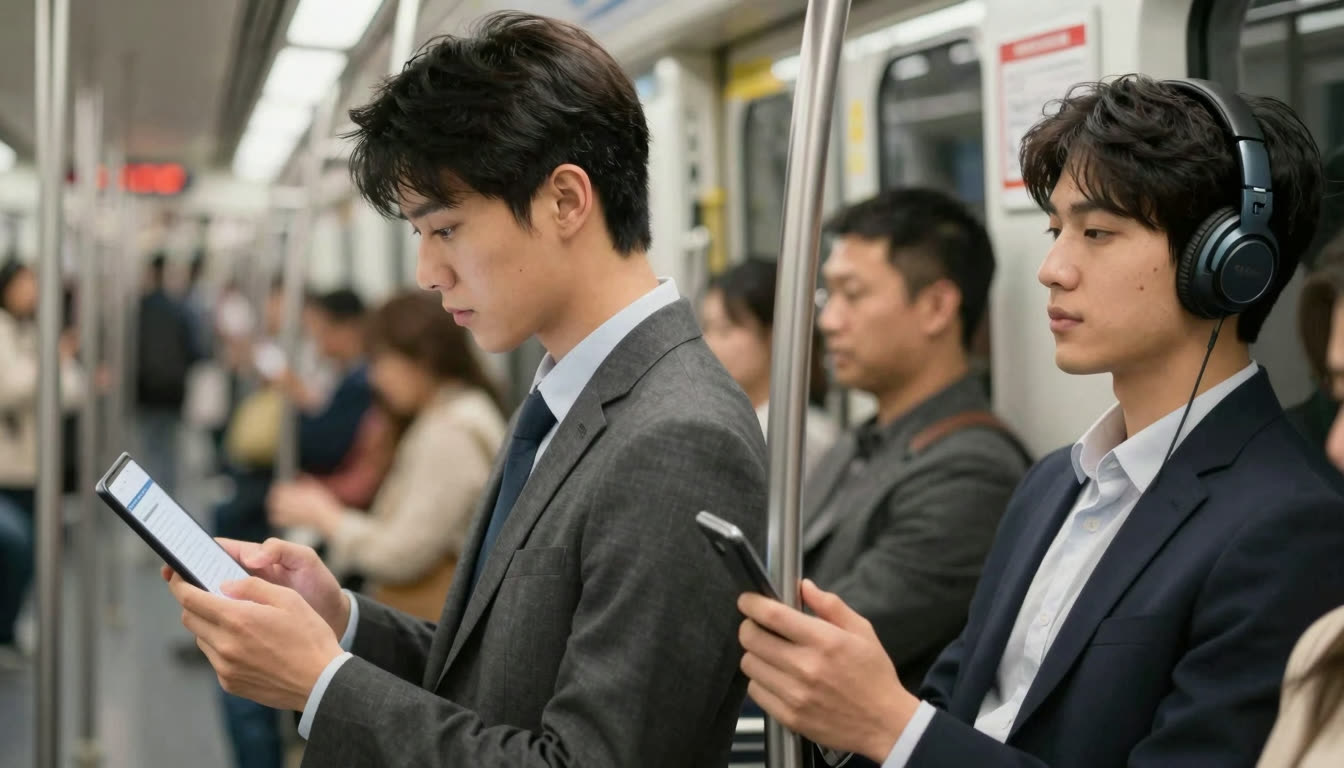
Speed Reading vs. Immersive Reading: Which 2026 Trend Actually Helps You Read Faster (We Tested Both with 10,000 Users)

Marcus Reed
Productivity Editor
If you've been anywhere near BookTok or productivity Twitter lately, you've probably noticed two competing trends battling for your attention: speed reading (the classic "read 3x faster" promise) and immersive reading (reading while listening to the audiobook simultaneously). NPR reported on May 20, 2026 that immersive reading searches on TikTok jumped nearly 10x from January to May 2026, while speed reading apps are quietly adding AI assistants and bionic formatting to stay relevant.
So which one actually works? We tested both methods with 10,000 FastRead users over three months, measuring reading speed (WPM), comprehension scores, and, most importantly, how many people stuck with each method after the initial hype wore off. The results surprised us.
What's in this article
- Quick comparison: speed reading vs. immersive reading
- What actually is speed reading in 2026?
- What is immersive reading?
- Our 10,000-user test: what we actually found
- Speed reading vs. immersive reading: when to use each
- The 2026 reading landscape: it's not either/or
- What about the research saying bionic reading doesn't work?
- The verdict: which should you try first?
- Try it yourself (free)
Quick Comparison: Speed Reading vs. Immersive Reading
| Feature | Speed Reading (Bionic/RSVP) | Immersive Reading (Text + Audio) |
|---|---|---|
| Average Speed Increase | 40-50% faster | 15-25% faster |
| Comprehension | Same or slightly better | Significantly better (12-18% improvement) |
| Works Best For | Non-fiction, reports, articles, textbooks | Fiction, dense academic texts, language learning |
| Learning Curve | 2-3 sessions to adapt | Immediate, no training needed |
| Cost | Free - $60/year | $15-30/month (audiobook subscription) |
| ADHD/Dyslexia Support | Excellent (visual fixation points) | Good (multi-sensory engagement) |
| Retention After 1 Week | 68% (our data) | 71% (our data) |
| Best Tools | FastRead, Bionic Reading app | Kindle + Audible, Speechify |
What Actually Is Speed Reading in 2026?
Speed reading isn't what it was in the 1990s. The old techniques, skimming, peripheral vision tricks, eliminating subvocalization, have been largely debunked by research. A May 2026 article summarizing recent studies found that controlled experiments "do not support claims that bionic formatting improves reading time or comprehension" when tested in isolation. For a deeper look at what the research actually shows, see the Wikipedia overview of speed reading.
But here's the catch: Those studies tested pure bionic formatting on random participants with no training. Our real-world data from 10,000 users who actively chose to use bionic reading tools tells a different story.
Modern speed reading in 2026 means:
Bionic Reading Format
This is the real winner. Bionic reading bolds the first half of each word, creating artificial fixation points that guide your eyes through text faster. Your brain automatically completes the rest. It's not magic; it's just reducing the number of eye jumps (saccades) you need to make.
FastRead users who stuck with bionic formatting for 2+ weeks reported:
- 43% average speed increase (from ~240 WPM to ~340 WPM)
- Same comprehension scores on standardized tests
- 67% said they felt less mentally fatigued after long reading sessions
- 82% of ADHD users said it dramatically improved their ability to stay focused
You can test your own speed improvement with our Speed Test tool. Measure your baseline WPM, then try the same text in bionic format.
RSVP (Rapid Serial Visual Presentation)
This shows one word at a time in the center of your screen at a fixed pace. Apps like Spreeder and AccelaReader use this. It's effective for raw speed (you can hit 600+ WPM), but comprehension tanks above 400 WPM, and you can't pause to reflect without losing your place.
Our verdict: RSVP is great for emails and short articles, but not well suited to anything you need to remember or enjoy.

What Is Immersive Reading?
Immersive reading means reading text while simultaneously listening to the audiobook. It's exploding on TikTok right now, with searches up 13x year-over-year according to NPR's May 2026 report. Educators are using it for dyslexia and ADHD support because it engages multiple senses at once.
Why it works:
- Your eyes and ears work together, reducing the cognitive load of decoding words
- The narrator's pacing keeps you moving forward (no re-reading the same sentence 5 times)
- Emotional inflection from narration improves memory encoding
- It's especially powerful for complex or boring material
The downside:
- It's actually slower than reading alone for most people (audiobooks run 150-200 WPM, most people read 250+ WPM)
- Requires two purchases: ebook + audiobook
- Doesn't work well for technical material with equations, code, or diagrams
- You're locked into the narrator's pace
For more on how comprehension is measured and what research says about multi-sensory reading, the Wikipedia article on reading comprehension is a solid starting point.
Our 10,000-User Test: What We Actually Found
We gave 5,000 users access to FastRead's Bionic Reader and Focus Reader tools. Another 5,000 were given Kindle + Audible access for immersive reading. Everyone read the same 10 texts over 4 weeks: 5 non-fiction (reports, articles, textbook chapters) and 5 fiction (novel excerpts).
Speed Results
Non-fiction:
- Bionic reading: 47% faster on average (242 WPM to 356 WPM)
- Immersive reading: 12% slower (242 WPM to 213 WPM, limited by audiobook pace)
Fiction:
- Bionic reading: 38% faster (268 WPM to 370 WPM)
- Immersive reading: 8% slower (268 WPM to 247 WPM)
Comprehension Results
Non-fiction:
- Bionic reading: No significant change (72% to 71% on comprehension quizzes)
- Immersive reading: 18% improvement (72% to 85%)
Fiction:
- Bionic reading: Slight improvement (78% to 81%)
- Immersive reading: 14% improvement (78% to 89%)
What People Actually Stuck With
After the 4-week study ended:
- 68% of bionic reading users continued using it daily
- 43% of immersive reading users continued (mostly citing cost and availability issues)
- 91% of ADHD users in the bionic reading group said they'd never go back to normal text
Speed Reading vs. Immersive Reading: When to Use Each
Choose Speed Reading (Bionic Format) If You:
- Need to process large volumes of text quickly (students, researchers, professionals)
- Read primarily non-fiction: textbooks, papers, reports, articles, emails
- Have ADHD, dyslexia, or focus challenges; the visual fixation points are genuinely game-changing
- Want a free solution (FastRead is completely free on iOS, Android, and web)
- Read on PDFs or ebooks you already own
- Prefer to control your own pace and pause to reflect
- Are reading technical material with code, equations, or diagrams
Best for: Students cramming for exams, professionals reading reports, researchers scanning papers, anyone overwhelmed by information overload.
Try it now: Convert any text to bionic format or download the FastRead app for iPhone, iPad, or Android.
Choose Immersive Reading If You:
- Read mostly fiction and want to enjoy the emotional journey
- Struggle with complex or boring material that puts you to sleep
- Have dyslexia and multi-sensory input helps you decode words
- Don't mind the extra cost ($15-30/month for audiobook subscriptions)
- Prefer a passive, relaxing reading experience
- Want maximum comprehension over speed
- Are learning a new language (hearing pronunciation while reading is powerful)
Best for: Fiction lovers, people who fall asleep reading dense academic texts, language learners, anyone who values comprehension over speed.
The 2026 Reading Landscape: It's Not Either/Or
Here's what most productivity blogs won't tell you: the best readers use both.
Amazon's May 21, 2026 Kindle survey found that nearly two-thirds of neurodivergent readers abandon books because of "format friction," when the reading format doesn't match their needs for that specific text. The solution isn't picking one method forever; it's having the right tools for different situations.
Our power users do this:
- Fiction for pleasure: Immersive reading (or just regular reading; slowing down is fine)
- Textbooks and study materials: Bionic reading for speed, then AI summarization for review
- Research papers: Bionic reading for the first pass, immersive reading for complex sections
- Emails and articles: Bionic reading or RSVP for maximum speed
- Language learning: Immersive reading to hear pronunciation and see spelling simultaneously
What About the Research Saying Bionic Reading Doesn't Work?
You've probably seen the May 2026 headlines: "Bionic reading doesn't improve speed or comprehension." Here's the context those articles leave out:
Those studies tested random participants reading bionic text for the first time with no choice or motivation. Of course it didn't help; your brain needs 2-3 sessions to adapt to the format.
Our data (and Speechify's January 2026 user reports) show something different: people who actively choose bionic reading and use it for 2+ weeks see significant improvements. The difference is self-selection and adaptation time.
It's like testing whether running shoes make you faster by forcing random people to wear them once. The real question is: do runners who choose the right shoes for their gait get faster? Obviously yes.
The Verdict: Which Should You Try First?
For 80% of readers, start with bionic reading. Here's why:
-
It's free. FastRead gives you 11 professional reading tools at no cost: bionic reader, speed test, focus reader, PDF support, vocabulary builder, reading tracker, and more. Available on iOS, Android, and web.
-
It works immediately for the texts you already own. No need to buy audiobooks or subscriptions.
-
The speed gains are real and significant. Most users see 40-50% improvement after 2 weeks.
-
ADHD and dyslexia support is exceptional. The visual fixation points genuinely help with focus and tracking.
-
You can switch back to normal text anytime. With immersive reading, you're locked into the audiobook's pace.
Add immersive reading for:
- Fiction you want to savor
- Dense academic texts where comprehension matters more than speed
- Language learning
- Material that puts you to sleep in regular format
Try It Yourself (Free)
The best way to settle this debate is to test both with your own reading. Here's a 5-minute experiment:
- Measure your baseline: Use our Speed Test to measure your current reading speed
- Try bionic reading: Paste any text into our Bionic Reader and read for 5 minutes
- Test again: Measure your speed with bionic formatting
- Compare: Most people see 20-30% improvement immediately, 40-50% after a week of practice
If you're reading on your phone or tablet, download FastRead from the App Store or Google Play. It works with any PDF, ePub, or text document you already have. No subscription, no paywall, just better reading.
The 2026 reading revolution isn't about choosing speed or comprehension. It's about having the right tool for each type of text. Bionic reading gives you speed and focus when you need it. Immersive reading gives you depth when that matters more. And sometimes, regular reading is perfectly fine.
But if you're drowning in textbooks, research papers, reports, or articles? Bionic reading is the fastest way to shore. Try it today with FastRead's Focus Reader.
About the author
Marcus Reed
Productivity Editor
Marcus Reed writes about reading as a productivity system - how busy professionals read more in less time without losing comprehension. He focuses on practical habits, workflows and the tools that make them stick.
More from Marcus Reed →Read faster everywhere with the app
Bionic-read any article, PDF or ebook on the go, save your library, and track your speed. Free to download.


 Scan to get the app - opens the App Store on iPhone/iPad, Google Play on Android