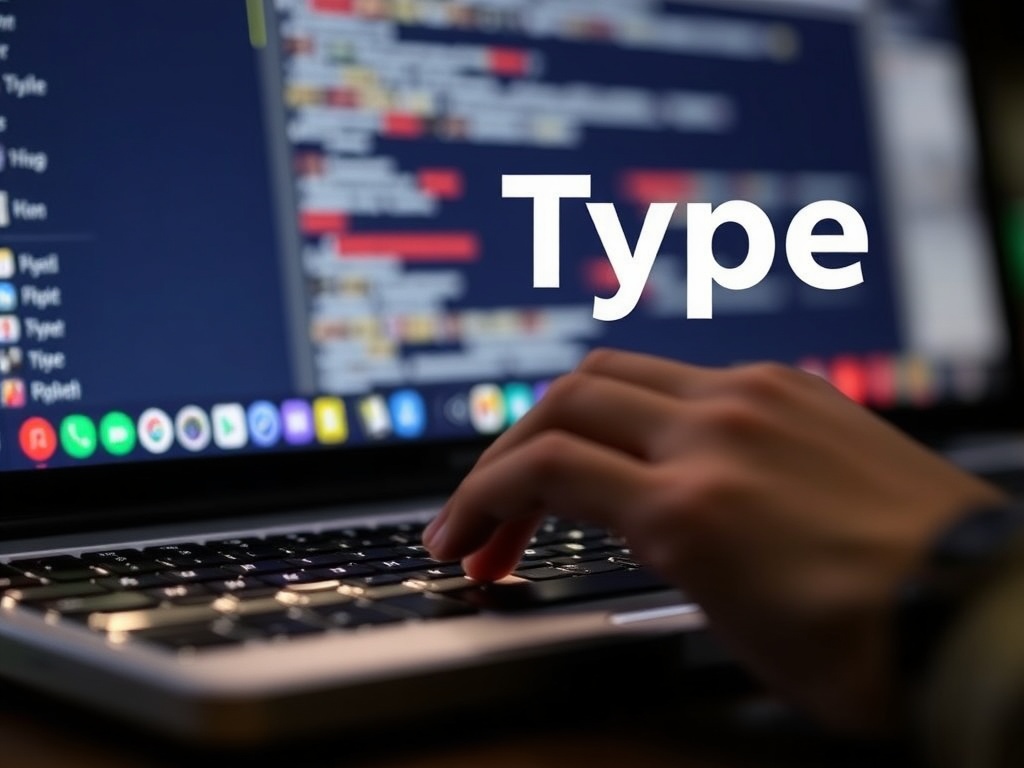
Master Touch Typing: A Guide to Boosting Your Keyboard Speed

Dr. Sarah Johnson
Reading Technology Researcher
In today's digital age, typing quickly and accurately is no longer just a nice-to-have skill—it's essential. Whether you're a student, professional, or casual computer user, improving your typing speed can significantly boost your productivity. Here's your comprehensive guide to becoming a faster typist.
1. Start with Proper Positioning
Success begins with the correct posture and hand position:
- Keep your back straight and feet flat on the floor
- Position your elbows at a 90-degree angle
- Rest your wrists slightly above the keyboard
- Place your fingers on the home row keys (ASDF for left hand, JKL; for right hand)
2. Learn Touch Typing Fundamentals
Touch typing means typing without looking at the keyboard. Each finger is responsible for specific keys:
- Left pinky: Q, A, Z
- Left ring: W, S, X
- Left middle: E, D, C
- Left index: R, F, V, T, G, B
- Right index: Y, H, N, U, J, M
- Right middle: I, K
- Right ring: O, L
- Right pinky: P, semicolon, slash
3. Practice Regularly
Consistency is key to improvement. Here's how to practice effectively:
- Set aside 15-30 minutes daily for typing practice
- Use online typing tutors and games
- Start with accuracy over speed
- Gradually increase your pace as accuracy improves
4. Track Your Progress
Monitor your improvement by:
- Taking regular typing tests
- Recording your Words Per Minute (WPM)
- Tracking your accuracy percentage
- Setting progressive goals
5. Advanced Tips for Speed Improvement
Once you've mastered the basics, try these techniques:
- Practice with diverse text materials
- Learn common keyboard shortcuts
- Type to music to develop rhythm
- Challenge yourself with typing games
Common Mistakes to Avoid
Watch out for these pitfalls:
- Looking at the keyboard while typing
- Using incorrect finger positioning
- Sacrificing accuracy for speed
- Practicing irregularly
Remember, becoming a fast typist doesn't happen overnight. With consistent practice and proper technique, you can steadily improve your typing speed and accuracy. Aim for small improvements each week, and you'll be surprised at how quickly your skills develop.